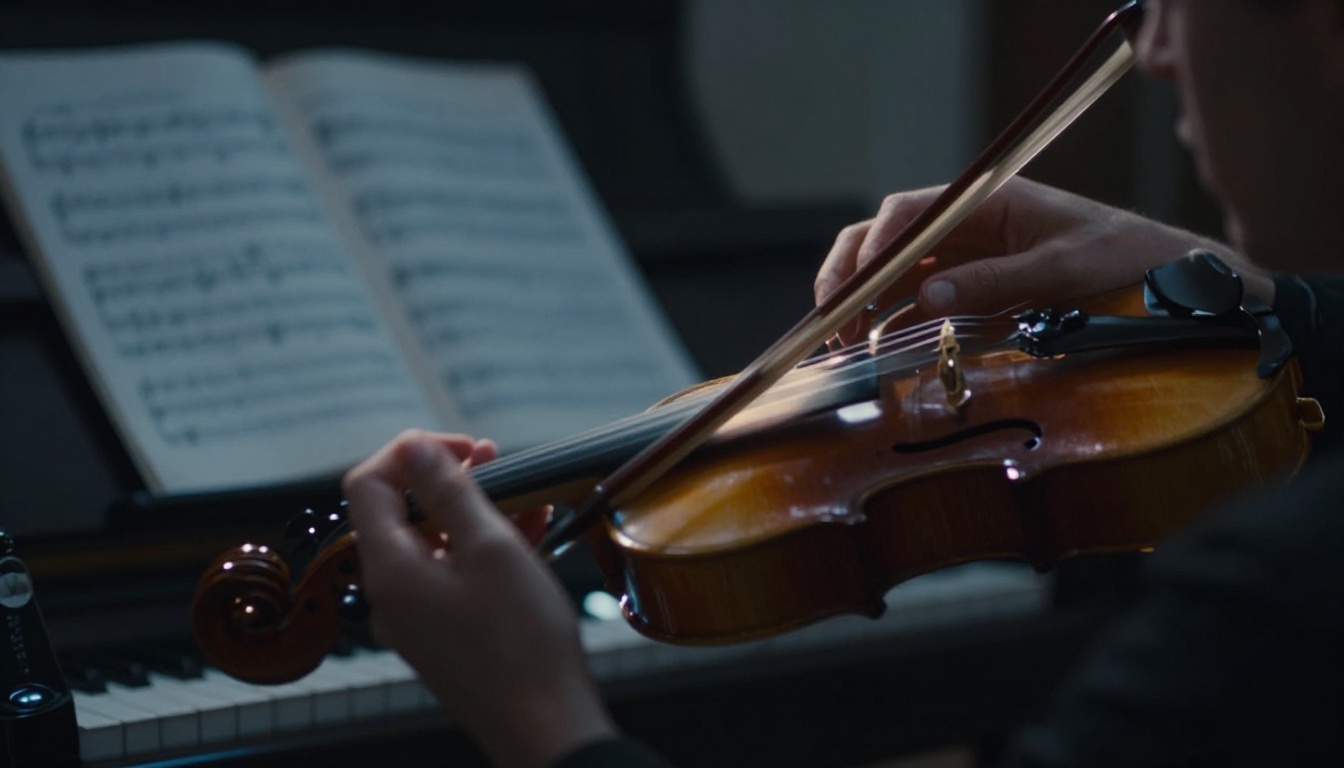
Picture this. You grab a guitar for the first time. Weeks later, you nail complex riffs that stun your friends. No magic talent required. Just smart effort.
Deliberate practice changes that dream into reality. It means focused training with clear goals and quick fixes. Not mindless repeats. Psychologist K. Anders Ericsson sparked this idea in his 1993 study of Berlin violinists. Top players practiced intensely for 10,000 hours by age 20. Average ones fell short.
You don’t need to be a prodigy. This method works for hobbies, jobs, or sports. It builds real skills fast. Because anyone can push limits with the right steps. This post breaks it down. You’ll see its roots, proof from science, pro examples, your starter plan, common traps, and life-changing power.
The Origin Story of Deliberate Practice and How It Beats Regular Practice
Ericsson studied violin students at a Berlin academy. Elite players started young. They logged intense hours from age five. By 20, top ones hit 10,000 hours. Good players stopped at 8,000. Beginners managed half that.
This flipped the talent myth. Genes matter some. But practice quality counts more. Regular practice repeats easy stuff. You play scales comfortably. No growth happens. Deliberate practice targets weak spots. You tackle hard passages. A teacher spots errors right away.
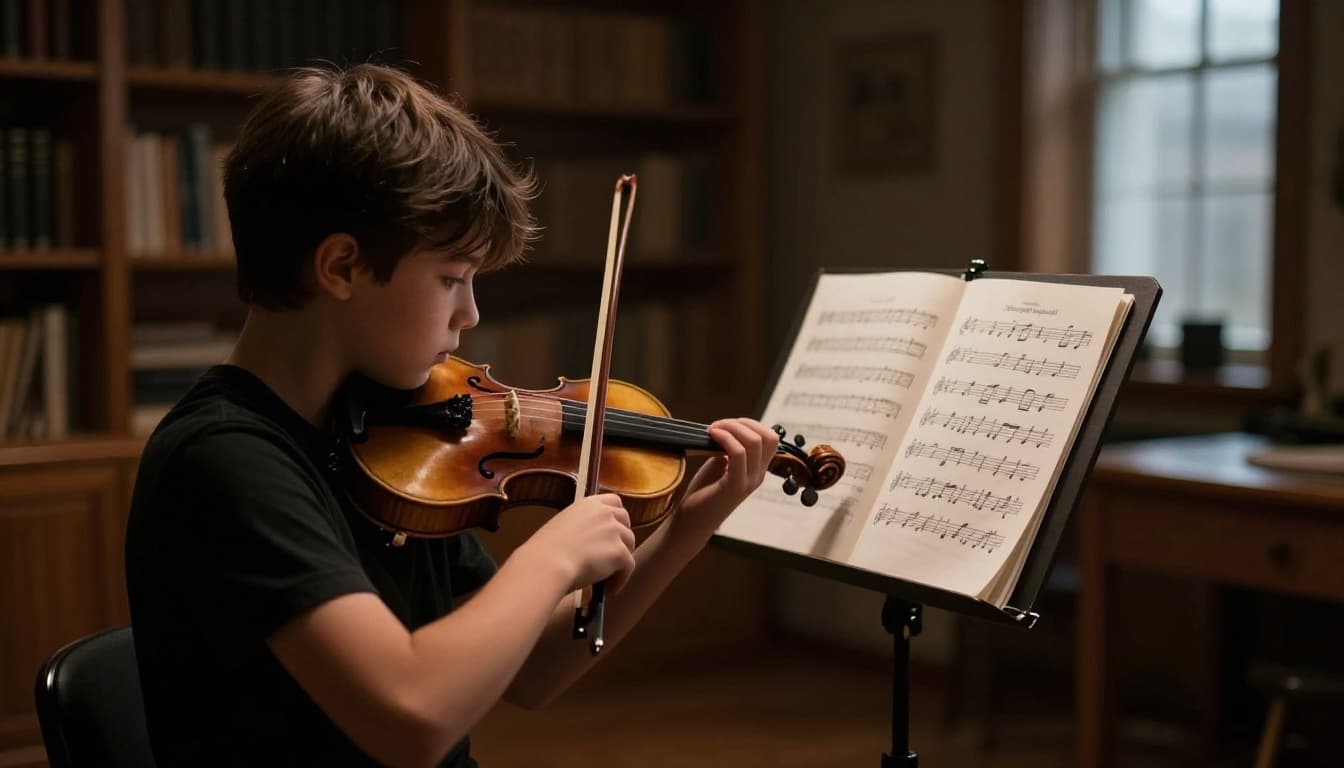
Think piano. Casual players run full songs. They ignore flaws. Deliberate ones drill one tough measure. They repeat until perfect. Then add speed. Results skyrocket.
Malcolm Gladwell popularized the 10,000-hour rule in Outliers. He simplified Ericsson’s work. Yet quality trumps hours. Because deliberate practice maxes your potential.
Key Traits That Make Deliberate Practice Special
Five traits set it apart. First, specific goals. Don’t say “get better.” Aim to “hit this chord clean 20 times.”
Second, tasks push your edge. They feel tough but doable alone. Like a runner adding hills after flats.
Third, instant feedback. Use a coach, video, or mirror. Fix mistakes on the spot.
Fourth, repeat with full focus. Short bursts beat long slogs. No phone distractions.
Fifth, get expert help. Coaches refine your form. They spot what you miss.
These traits turn average effort into breakthroughs. Regular practice plateaus. This one climbs.
Science Shows Deliberate Practice Builds Elite Skills Faster
Decades of studies back it. Musicians, athletes, chess masters, doctors all gain more. A review revisited Ericsson’s work. It confirmed deliberate practice predicts expert levels.
Top violinists averaged 5,400 more practice hours than peers. Chess pros logged similar edges. Sports trials show faster strength and memory gains. Feedback makes the difference. Labs tested this since the 1800s.
It’s not blind hours. Quality drives speed. As of early 2026, fresh data agrees. A chemical engineering study tracked 84,000 student attempts. Auto-feedback on tough problems built skills best. Therapy trainees improved empathy with coached repeats.
Personal wins follow. You gain confidence. Mastery feels real.
Real Benefits for Your Brain, Body, and Career
Your brain rewires. Memory sharpens. Problem-solving clicks faster. Therapists in 2025 trials boosted patient outcomes.
Body adapts too. Muscle memory locks in. Endurance grows. Runners shave minutes off times.
Mindset shifts. Grit builds. Failure stings less. You push through.
Careers soar. Promotions come. Skills like public speaking shine in meetings. Luck fades. This method empowers you. Because structure beats raw talent.
Everyday Heroes Who Conquered Skills with Deliberate Practice
Berlin violinists led the way. Elites outpaced others through focused drills.
Golfer Ben Hogan rebuilt his swing after a crash. He broke it into tiny parts. Endless reps perfected each. His story shows practice’s power.
Joe DiMaggio obsessed over hits. He drilled swings alone. Feedback came from results. Baseball legend status followed.
Chess pros study losing moves. They replay with timers. Scrabble champs test rare words daily.
Doctors simulate surgeries. Musicians tape sessions. Average folks turned elite. You can too. Their paths prove it.
Your Easy Roadmap to Kickstart Deliberate Practice Today
Start simple. Pick one skill weak spot. Set a tiny goal. Boost free throws by 10%.
Next, pick hard tasks. They stretch you but won’t break you.
Build feedback. Hire a coach. Use apps or video yourself.
Do 1-2 hour sessions daily. Take breaks. Focus rules.
Track progress. Adjust weekly. Stay motivated with small wins.
Consistency wins. Passion fuels it. Short daily hits beat weekends.
Tools and Routines to Stay Consistent
Free tools help. Phone timers mark sessions. Journals log goals.
Apps like this skill tracker guide repeats. Video apps give instant review.
Routines work. Block one morning hour. Pair with a buddy for checks.
Rest matters. Skip days to avoid burnout. Build slow.
Sneaky Mistakes That Sabotage Your Practice Efforts
Vague goals kill progress. “Practice guitar” leads nowhere. Fix it with specifics.
No feedback hides flaws. You repeat errors. Add checks now.
Long sessions wander. Focus fades after 90 minutes. Shorten them.
Skip coaches at your peril. Self-blind spots linger. Seek help.
Ignore motivation. Boredom quits you. Tie to why it matters.
Chase hours not quality. Ten sloppy ones waste time. Quality first.
As of 2026, research holds firm. Prioritize smarts over sweat.
Deliberate practice offers a clear path to mastery. Focus and feedback unlock skills science proves work. It empowers everyday folks. Hobbies thrive. Jobs advance.
Pick one skill today. Commit to a one-week push. Track your first win.
Small daily efforts stack up. You build expertise that lasts. What skill will you conquer?