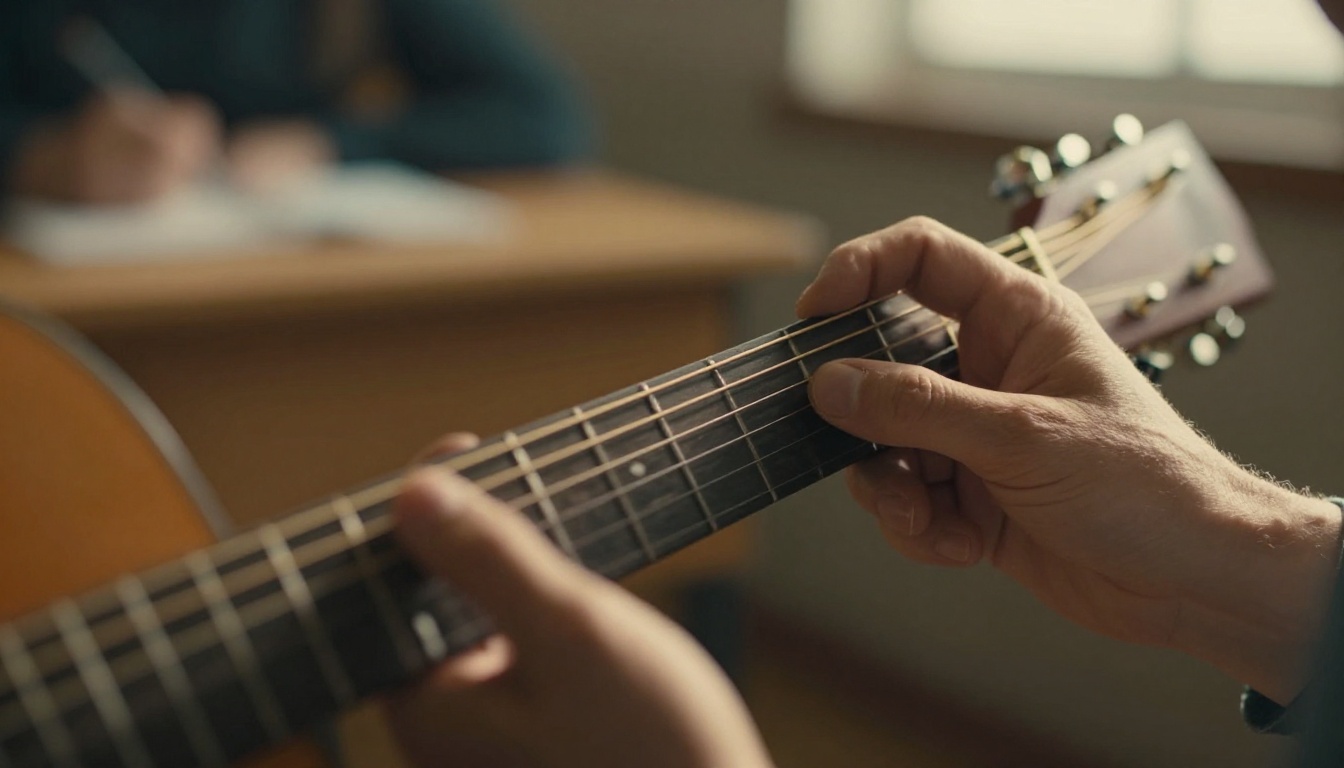
Picture this. You pick up a guitar for the first time. You strum chords for weeks, but they sound off. No one tells you why. Frustration builds. Progress stalls.
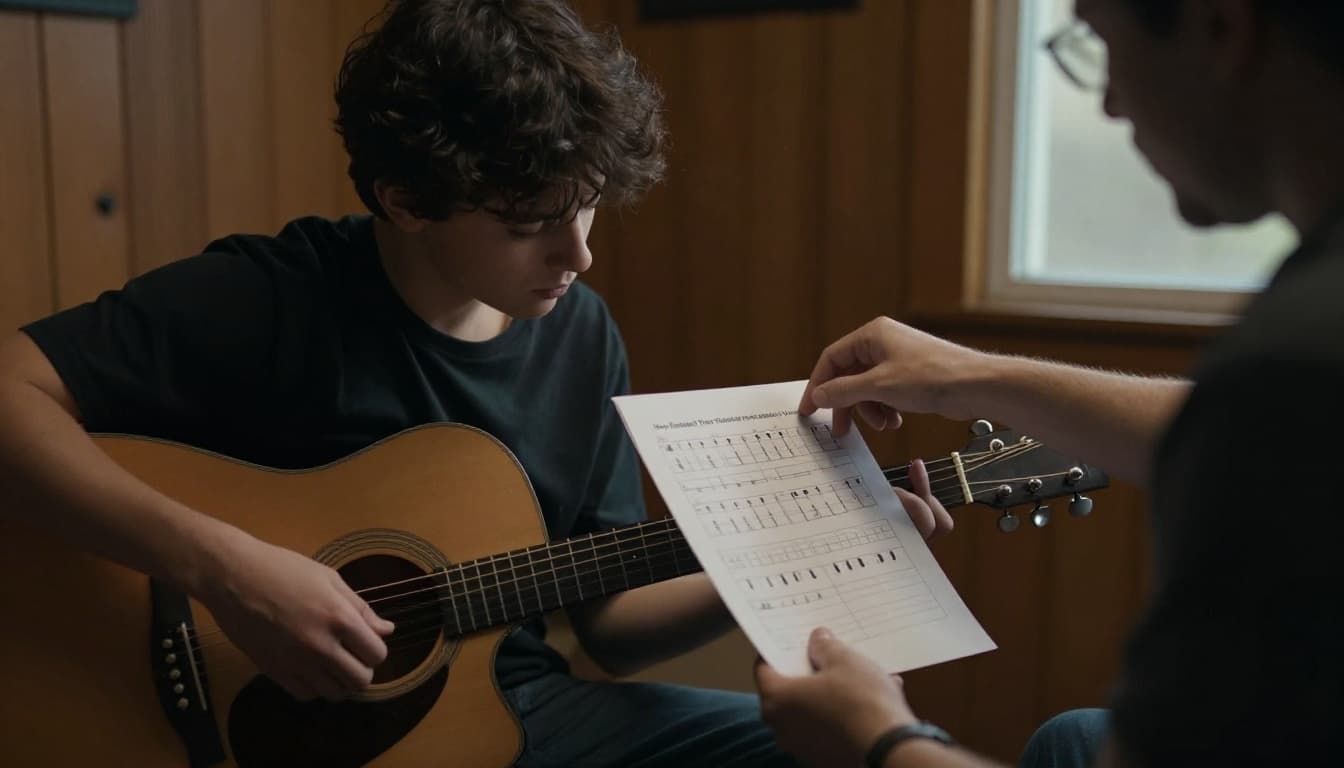
Feedback changes everything. A teacher steps in right away. She points out your finger placement. You adjust. The chord rings clear. Skills improve fast because you fix errors on the spot.
Feedback speeds learning by correcting mistakes, revealing weak spots, and guiding next steps. Research backs this up. John Hattie’s studies show feedback has a high effect size of 0.79, one of the top influences on achievement. For details on his work with Helen Timperley, check Visible Learning’s analysis. Recent data confirms this impact holds, around 0.73, with no major updates through 2026.
In this post, you’ll see how feedback sharpens skills, real-world examples from classrooms and work, top types that work best, and traps to avoid. Let’s dive in.
How Feedback Fixes Mistakes and Sharpens Your Skills Fast
Feedback acts like a spotlight. It shows exactly what went wrong. You correct it before the problem sticks. As a result, you build better habits from day one.
Without feedback, errors repeat. You practice the wrong way. Bad form becomes muscle memory. But quick input stops that cycle. For instance, language apps buzz right after a wrong pronunciation. You hear the fix and repeat correctly. Studies support this. Attali and Powers found instant feedback on open-ended questions lets people revise and boost scores immediately. See their research summary.
Most importantly, feedback highlights strengths too. You skip what you know. Focus shifts to gaps. Practice becomes efficient.
Stops Bad Habits Before They Form
Think about typing. You hunt and peck keys. No one corrects you early. Soon, it’s hard to change. Feedback breaks that pattern.
Apps like Duolingo give input seconds after a mistake. You see the right answer. Then you try again. Errors don’t embed. In schools, teachers note wrong math steps on the spot. Kids erase and redo. Progress accelerates because repetition avoids reinforcement of flaws.
This approach saves time. You learn right the first time around. Bad habits never take root.
Spotlights What to Practice Next
Feedback pinpoints weak areas. Strong skills get less attention. You target practice where it counts most.
Teachers use it well. They review quizzes fast. Scores show class trends. Lessons adjust. Self-learners track progress in journals. They note misses and drill those topics. Time saves because effort goes to real needs.
In addition, it builds confidence. You see gains clearly. Motivation rises as a result.
Makes Concepts Stick Deeper
Simple “right” or “wrong” falls short. Good feedback explains why. You grasp the idea fully.
For example, in science, a teacher says your experiment failed because variables mixed. She shows the fix. Now you understand cause and effect. Rote memory fades. True knowledge lasts.
Goal-directed practice follows. You aim higher each time. Understanding deepens step by step.
Real-Life Wins: Feedback Power in Classrooms, Work, and Apps
Classrooms thrive on feedback. Team Readiness Assurance Tests, or TRATs, prove it. Students take quizzes alone first. Then teams discuss answers with instant reveals. They debate and appeal wrongs. Scores jump because groups clarify confusion fast. Learn more about TBL readiness processes.

At work, Google pushes peer learning. Employees share tips in real time during training. New hires get input on projects right away. Retention improves. One program has staff teach each other skills. First-hand advice sticks better than lectures. Check Google’s employee-to-employee guide.
Apps make it personal. Khan Academy explains errors after problems. You see the ‘why’ and retry. Confidence builds. Users master topics quicker than without guidance.
These examples show feedback in action. Progress happens across settings. People adapt and grow fast.
The Best Types of Feedback That Supercharge Results
Not all feedback works the same. Effective kinds tie to goals and actions. They speed results.
Goal-referenced feedback links to targets, like hitting 80% accuracy. You know the benchmark. Effort focuses there.
Actionable input tells how to fix issues. “Move your elbow here” beats vague praise. You apply changes right away.
Timely feedback hits soon after tasks. Delays weaken impact. Fresh memory helps fixes stick.
User-friendly words keep it simple. No jargon confuses. Clear steps guide everyone.
Ongoing checks track progress. Weekly reviews show trends. Adjustments keep you on path.
Progress-focused notes celebrate gains. “You improved 20%” motivates more practice.
Self-regulated types let you check work. Rubrics match output to standards. Independence grows.
Hattie’s methods rank these high. They answer key questions: where you stand, how you’re doing, and next moves.
Steer Clear of Feedback Traps and Grab Better Input Now
Feedback can backfire. Common slips slow you down. Spot them early.
Delayed input loses punch. Students disengage without quick replies. Vague comments like “do better” confuse. Overload buries key points in noise. Harsh tones demotivate. No follow-up means changes don’t happen.
Top Mistakes That Actually Slow You Down
Saying “you did bad” helps no one. Specifics guide fixes. Too much info overwhelms. Pick one or two points. Feedback without practice time wastes words. Give space to apply it.
For example, a boss dumps ten critiques. The worker tunes out. Nothing improves.
Smart Tips to Get Feedback That Works
Ask specific questions. “What worked in my pitch? How can I strengthen the close?” Peers respond better.
Act fast on input. Practice the fix that day. Changes embed quicker.
Use tech and friends. Apps track habits. Buddies spot blind spots.
Make it routine. Schedule weekly check-ins. Consistency builds skills.
Praise effort over talent. It sparks growth mindset.
Try one tip today. Results will follow.
Feedback corrects paths, lights weak spots, and fuels motivation. It turns slow grinds into quick wins. Science from Hattie and others proves its power endures.
Start small. Ask a friend or use an app for input this week. Watch skills soar as bad habits fade and confidence rises. What’s one area you’ll feedback-boost first? Your faster learning awaits.