
Have you ever grabbed a guitar or fired up a coding app, only to feel stuck after a few days?
That endless grind hits everyone. Overnight success tales set false hopes, but 2026 trends prove otherwise. AI tools paired with deliberate practice shrink basics to under 20 hours in many cases, so you build skills faster.
This post breaks down real timelines, key factors, and proven tips to learn a new skill without the frustration. Keep reading for the roadmap.
The 10,000-Hour Rule: Truth or Total Myth?
You have heard it before. Put in 10,000 hours, and you master any skill. Malcolm Gladwell popularized this idea in his 2008 book Outliers. He drew from psychologist Anders Ericsson’s research on violinists. Top players logged about that much deliberate practice by age 20. Sounds simple, right? But debunking the 10,000 hour rule reveals a bigger truth. No magic number guarantees expertise. Quality trumps sheer time spent.
Critics point out flaws right away. Ericsson himself called Gladwell’s take an oversimplification. Recent views agree. Top performers often reach high levels in 3,000 to 5,000 focused hours, not 10,000 random ones. For example, picture two piano players. One bangs keys for hours without guidance; progress stalls. The other uses short sessions with a coach’s feedback on finger placement and rhythm. That player improves fast because practice targets weak spots. You can do this too. Focus on smart effort, and skills build quicker.

Tool data shows no 2026 studies fully trash the rule. Still, everyone stresses deliberate practice over endless drills. That means specific goals, full effort, and quick fixes from feedback. Gladwell sparked great talks, but real mastery comes from how you train, not just when you stop the clock. For a clear breakdown on why the 10,000-hour rule falls short, check Scott Young’s take.
What Recent Trends Say About Practice Quality
Deliberate practice changes everything. You work in short, intense bursts. Get feedback right away. Rest to recharge. This beats long slogs every time.
Consider these contrasts. Bad habits waste time; good ones build speed.
- Mindless repetition: Play the same guitar riff over and over. No notes on mistakes. Boredom sets in; skills plateau.
- Focused drills: Pick one tricky chord. Slow it down. Record yourself. Adjust based on what sounds off. Progress jumps.
Now add tech. By 2026, AI personalizes your sessions. It spots errors via video or sensors. Suggests tweaks in real time. VR amps it up. Step into simulated worlds for safe reps. Studies on AI-VR for martial arts training show faster gains. Real-world skills stick because immersion mimics pressure without risk.
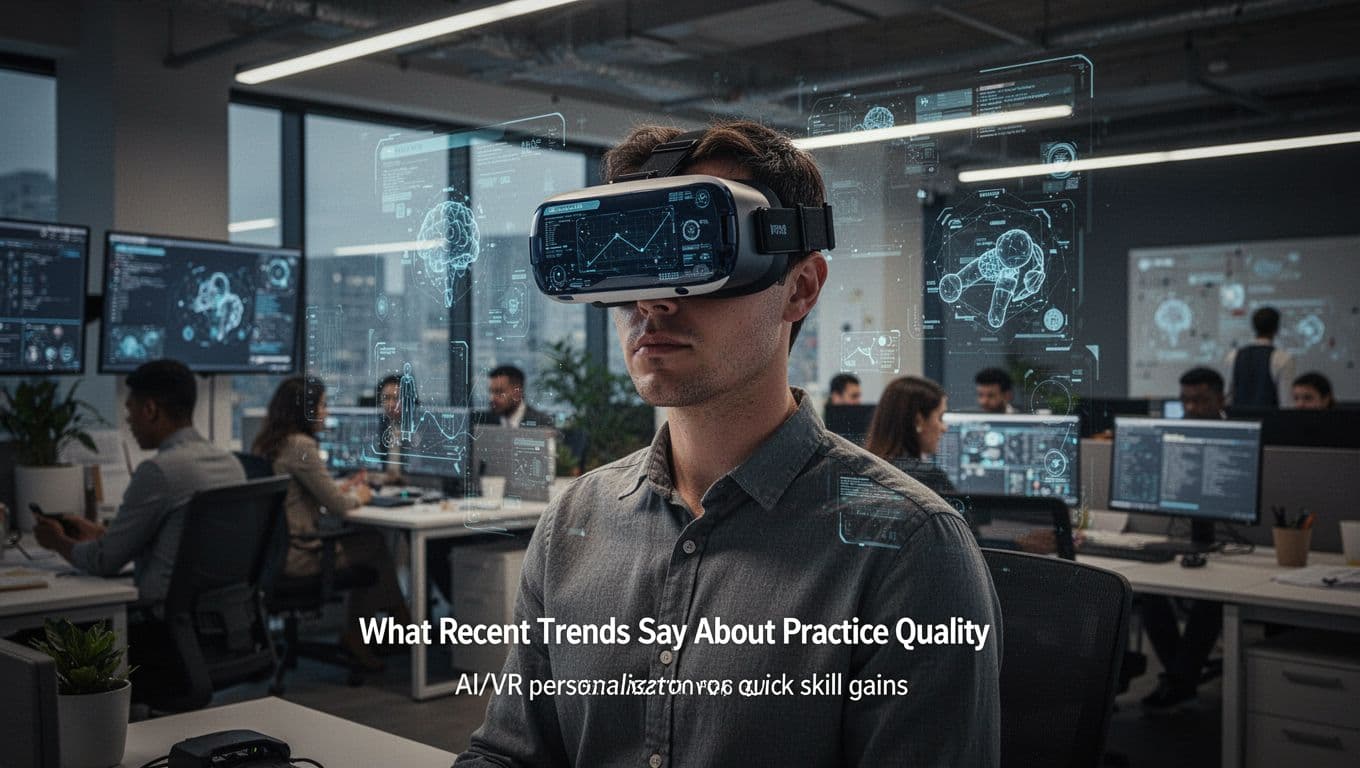
AI-VR hybrids predict your struggles. They adapt drills on the fly. Basics that took weeks now click in days. You feel the wins sooner, so keep going.
Why Experience Beats Endless Solo Drills
Solo hours feel productive. But real growth mixes it up. Enter the 70-20-10 model. You learn 70% from on-the-job tries, 20% from mentors and peers, and 10% from classes. This setup from 1980s leadership research proves hands-on wins.
Take sales teams at Hilti Tools. New reps jumped in with real client calls (70%). Mentors gave tips after (20%). Short trainings covered basics (10%). Results? Faster sales and confidence. Citigroup did similar for risk projects. Workers tackled live tasks, shared in groups, and took quick courses. Habits stuck; risks dropped.
Job practice outshines classes alone. Why? You solve real problems. Peers boost motivation too. A quick chat fixes what books miss. For details on applying the 70-20-10 rule, see the Center for Creative Leadership.
This mix empowers you. Blend experiences your way. Skills grow steady, and burnout fades. You stay engaged because wins come from doing, not just reading.
What Actually Controls How Fast You Pick Up Skills
Skills don’t grow at the same pace for everyone. Your speed depends on a few key factors like what you already know, your drive, age, and smart tools. These elements explain why one person nails guitar basics in a week while another struggles for months. Let’s break them down so you see your own potential.
Your Starting Point: How Past Knowledge Shortcuts Learning
What you know already acts like a shortcut. Related skills transfer over and make new ones click faster. For example, guitar players pick up bass quicker because finger patterns overlap.
Musicians prove this point. A pianist often masters a new melody on violin in half the time of a total beginner. Studies back it up. Pianists generalize sensorimotor skills better across instruments, as one review on music performance knowledge explains.

Think about your life. Coding pros learn Python fast if they know JavaScript. Cooks grasp baking quicker after years on the grill.
Test your starting point with this quick quiz:
- Do you have related experience? (Yes speeds you up 2x.)
- Can you name three transferable skills? (Strong base ahead.)
- Have you mapped old knowledge to the new skill? (You’re set.)
Prior skills cut your timeline. Spot them now, and watch progress soar.
Motivation and Mindset: The Hidden Speed Boosters
Drive keeps you consistent. Intrinsic goals, like joy from playing songs, beat forced sessions. Clear targets pull you forward because they spark daily wins.
Social ties amp it even more. Peers make skills stick 60% better through coaching and shared fixes. You discuss roadblocks, get tips, and stay accountable. Meanwhile, solo grind often fades.
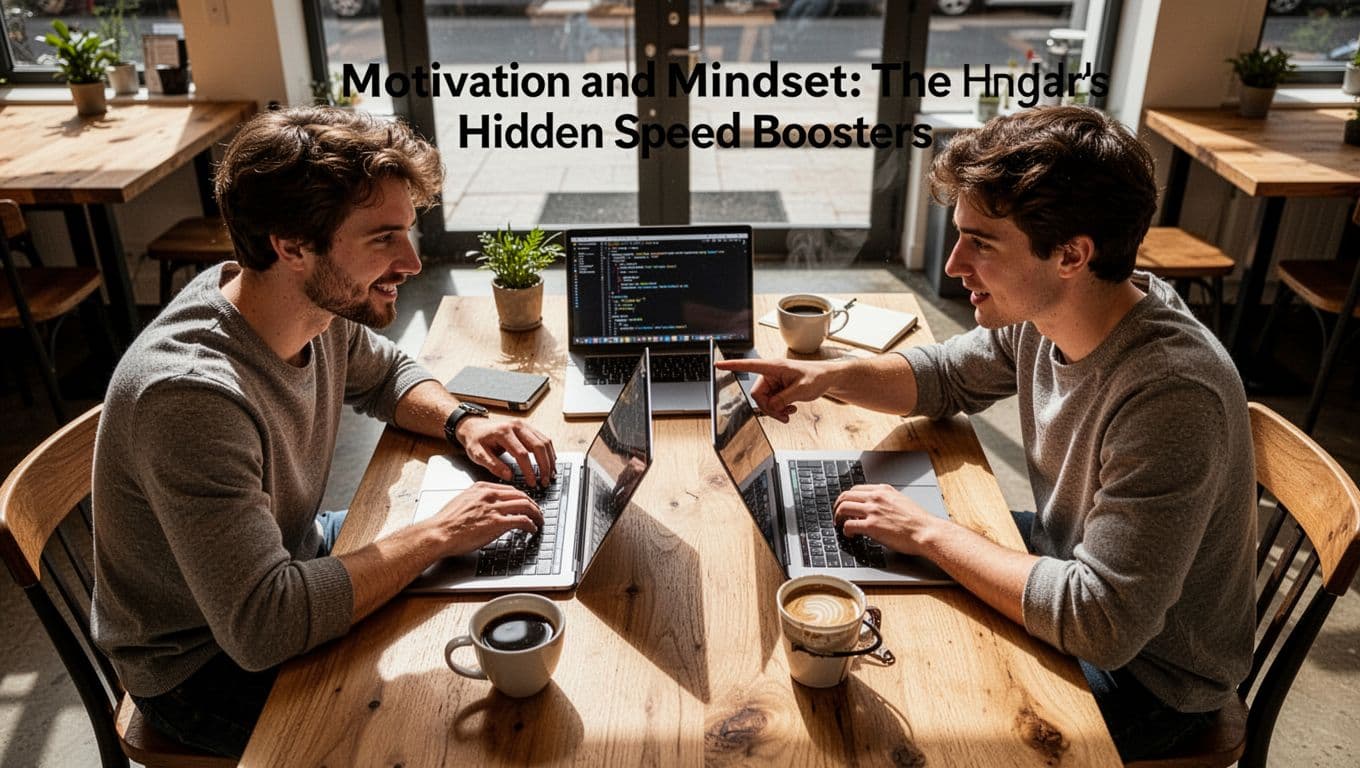
Set a “why” that excites you. Want to code apps for fun? That fire halves drop-off rates. Track small goals daily. As a result, motivation turns practice into habit. Friends or groups double the effect. Join one today, and feel the boost.
Age, Focus, and Tools That Defy Slowdowns
Age doesn’t slow you as much as you think. Adults excel with focus and life smarts. Kids grab facts quick, but you apply them better because experience guides choices.
Deliberate practice fits any age. Target weak spots with full effort and rest. In 2026, wearables track it all. They give instant feedback on form during workouts or reps. AI apps predict gaps too, so adults close them fast.
Focus beats youth every time. Short bursts work best. Tools like smart bands spot errors you miss. Therefore, older learners often outpace peers in real-world use. Assess yourself: Do you rest enough? Use tech? You’re already ahead. Combine these, and age becomes your edge.
Real Timelines for Skills Everyone Wants to Master
Popular skills like languages, guitar, and coding grab attention. You wonder how long until you play songs or chat abroad. Real timelines depend on daily practice, but smart methods cut months off. In 2026, AI apps and VR make basics stick faster. Expect conversational Spanish in 2-3 months, simple guitar tunes in 1-2, and basic apps in 2-4 with consistent effort. These paths use deliberate drills and tools for quick wins.
Cracking a New Language in Months, Not Years
Apps and immersion build basics fast. Start with 45-90 minutes daily. Use Anki for vocab flashcards, podcasts for listening, and AI chats for speaking practice. Add weekly tutors for feedback.
Month 1 focuses on 400-600 words and simple tenses. Greet people, order food, ask directions. Shadow native audio to match pronunciation. By month 2, handle past and future tenses. Chat 15-20 minutes on daily life. VR simulates markets or cafes for real talks.
Month 3 brings 1,200 words and familiar topics. Follow slow native speech. AI like Kaiwa fixes errors instantly.
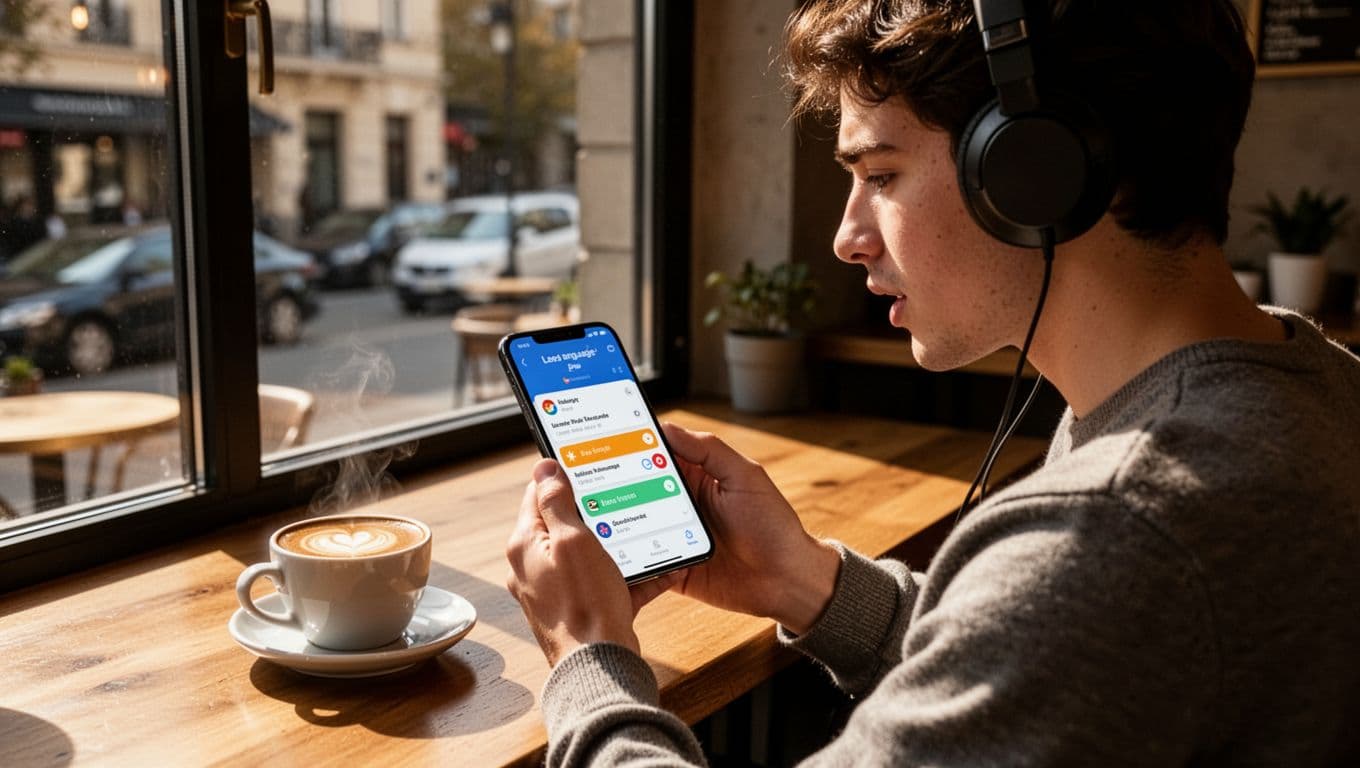
Immersion works best with structure, as Duolingo’s blog on immersion notes. You reach A2-B1 level for real chats quicker than traditional classes.
Strumming Guitar Songs Without Years of Pain
Daily 30-minute targeted practice speeds results. Total beginners hit 5-10 easy songs in 1-2 months. Apps like Yousician guide chords and rhythm.
Weeks 1-2 cover open chords: A, D, E, G, C, Em. Drill strumming slowly. Add simple riffs. Weeks 3-4 smooth switches for 3-4 chord songs. Use metronome and backing tracks.
Month 2 adds fingerpicking and capo. Play “Wonderwall” or “Horse with No Name” at speed. Record sessions for fixes. VR band sims build timing.
This routine halves time versus casual play. Check this 30-minute practice guide for busy schedules. Consistency turns pain into progress.
From Coding Newbie to Building Apps Quickly
Projects beat theory in bootcamp style. Spend 45-90 minutes daily on hands-on work. Reach simple apps like to-do lists or weather checkers in 2-4 months.
Month 1 nails basics: variables, loops, functions in Python or HTML/CSS/JS. Codecademy and Replit offer guided exercises. AI tutors explain errors right away.
Month 2 builds calculators or static pages. Debug with VR sandboxes. Months 3-4 add user input and APIs. Deploy your first app.
AI cuts frustration, so you ship faster. For realistic paths, see Nucamp’s 2026 coding timeline. Focus on builds, and job-ready skills follow.
Hack Your Learning: Strategies to Slash Time by Half
You can cut skill-building time in half with smart tweaks. Forget long grinds. Instead, mix short practice, tech boosts, and team support. These methods draw from 2026 trends like micro-learning and AI tools. They boost retention to 80-90% and fit busy days. As a result, you see results fast. Let’s break it down.
Embrace Micro-Learning and Hands-On Projects
Short bursts beat marathon sessions. You focus on one skill at a time, like a single chord or vocab set. Micro-learning delivers lessons under 10 minutes via apps. Completion rates hit 80-90%, far above traditional courses at 30%. Therefore, habits stick without burnout.
Hands-on projects seal the deal. After a quick video, build something real, such as a simple app or recipe tweak. This builds problem-solving right away. Studies show microlearning boosts skills like note-taking and soft skills effectively, as one Frontiers review on microlearning effectiveness notes.
Start today. Pick a 5-minute lesson. Do the project in 15 minutes. Repeat daily. You stack wins and cut weeks off your timeline.
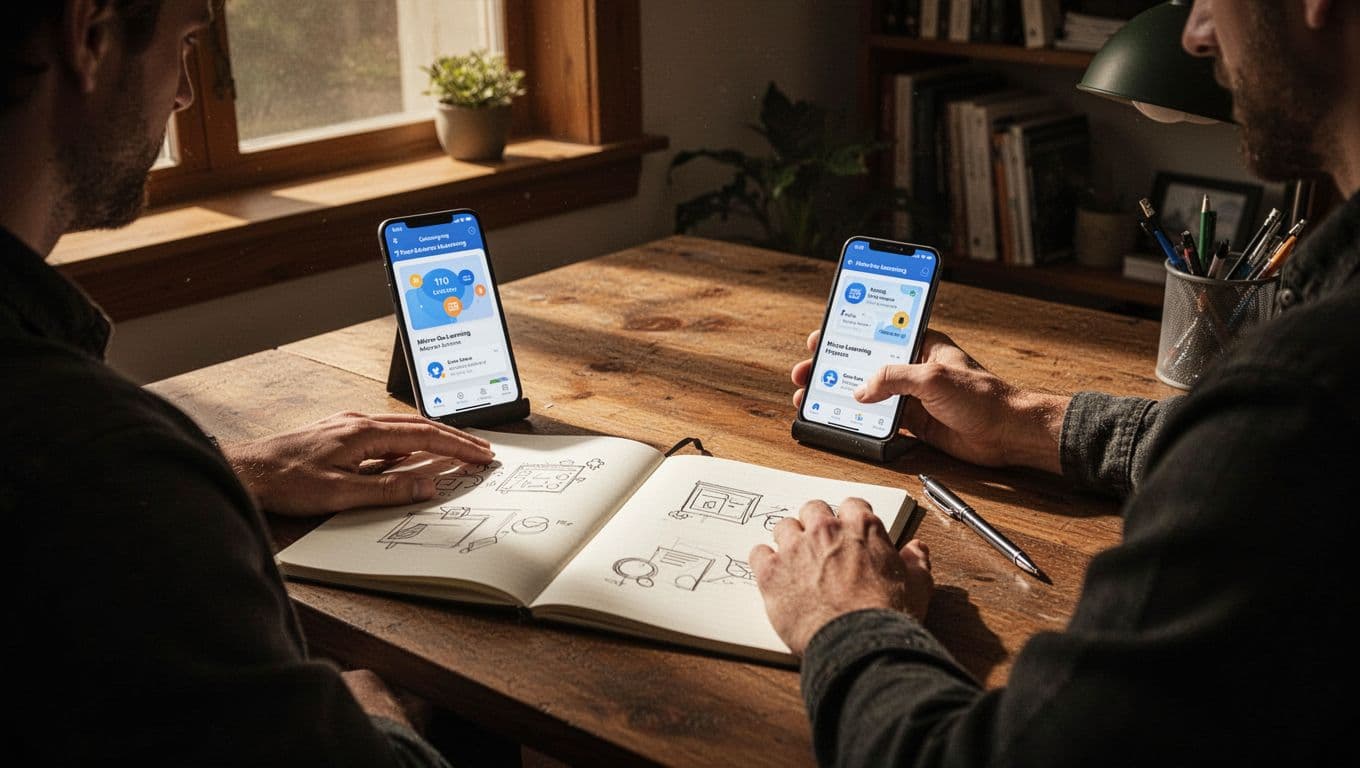
Mix practice with quick reviews. Track progress in a notebook. In short, you learn twice as fast.
Leverage AI and VR for Supercharged Practice
AI crafts paths just for you. It spots gaps and suggests drills. VR adds safe reps with instant feedback. Picture practicing sales pitches in a simulated store. No real stakes, but skills sharpen.
Real-time coaching changes everything. Apps analyze your form via camera. They tweak on the spot. 2026 platforms like EON Reality use photorealistic worlds for this. Meanwhile, VR sims cut training time by 30% through gamified reps.
Try these steps. Download an AI app like Virti. Do a 10-minute VR session. Note feedback and retry. Because it personalizes, basics click in days, not weeks.
Daily mixes work best. Alternate AI quizzes with VR runs. You build muscle memory fast. For more, check EON’s AI-VR training updates.
Build a Support Squad for 60% Faster Results
Peers speed gains by 60%. The 70-20-10 model proves it: 70% from job tasks, 20% from coaching, 10% from courses. Social chats cover that 20%, making learning stick.
Group challenges boost collaboration. Share project fails weekly. Get tips from buddies. This mirrors real work and fights solo slumps.
Form your squad now. Join a Discord for coders or guitarists. Set 15-minute calls. Assign roles: one coaches, others practice. Science backs it; peer nudges raise completion and skills.
Daily feedback loops seal results. Post a clip, get notes, adjust next session. In addition, motivation soars. See Litmos on the 70-20-10 model for full setup.
These hacks mix daily. You slash time, stay excited, and master skills quicker.
Conclusion
No fixed timeline exists for learning skills. Deliberate practice, prior knowledge, and motivation set the pace. Tools like AI and VR speed basics to weeks, not months.
You control the speed. Mix micro-sessions, hands-on projects, and peer support. As a result, frustration fades, and quick wins build momentum.
Pick one skill today. Start deliberate practice this week. What will you master first?