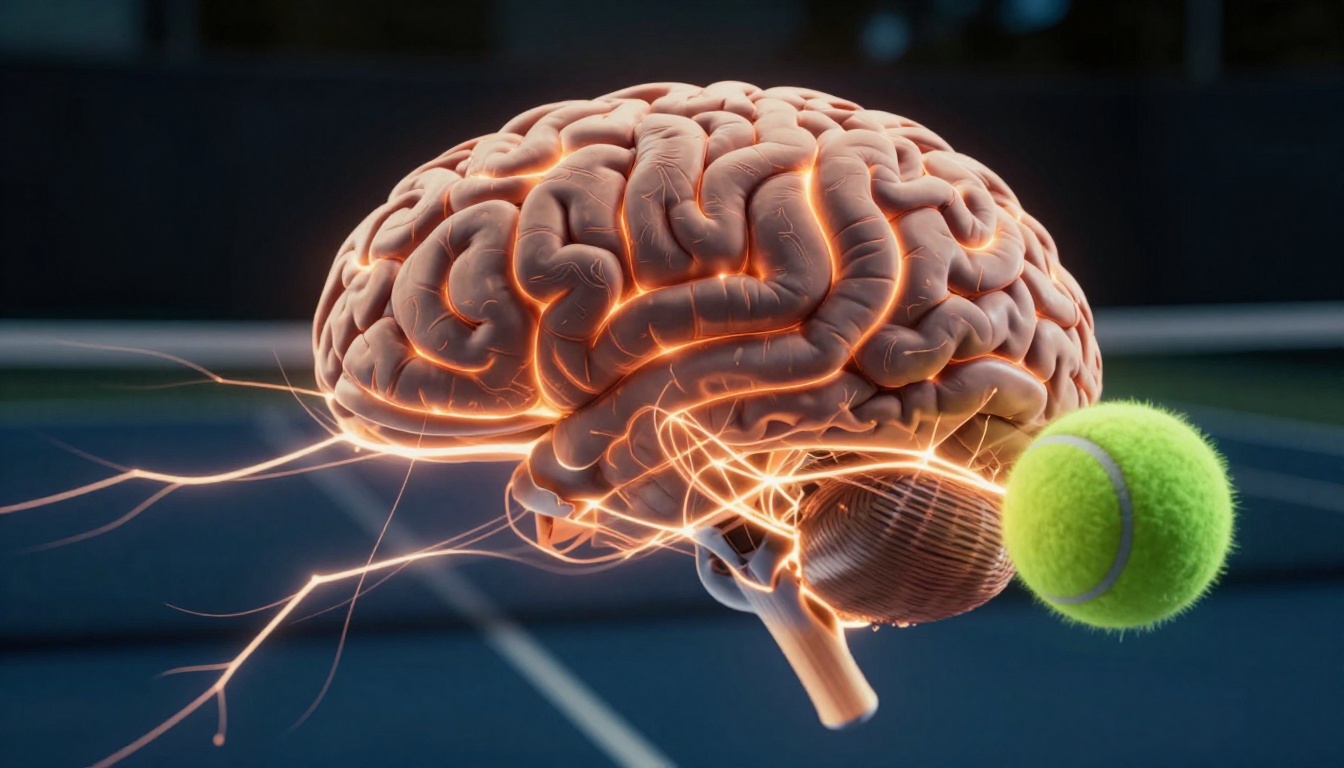
Picture this: you grab a tennis racket for the first time. Your swing feels awkward. The ball sails wild every shot. Frustration hits hard. But after weeks of practice, serves land clean and powerful. Your brain rewires itself through neuroplasticity to make this happen.
This process follows clear steps. Experts like Fitts and Posner outlined three main stages: cognitive, associative, and autonomous. Each builds on the last. Practice, sleep, and smart repetition speed things up. You’ll see exactly how the brain learns new skills step by step. Let’s start with the toughest part.
Your Brain’s First Challenge: The Cognitive Stage of Learning
New skills demand heavy thinking at first. You break down every move. A beginner golfer stares at the club, feet, and ball. They mutter steps under breath. “Bend knees. Keep head still. Swing slow.” Mistakes pile up because the brain tests ideas.
The prefrontal cortex leads here. It plans each action and holds focus. Meanwhile, the hippocampus logs key steps into memory. Synapses fire weakly at first. Signals mix like static on a radio. Specific practice sharpens them. Think of a maze: you try paths until one works.
This stage feels slow. Effort builds the base. Without it, later steps crumble. For example, Fitts and Posner’s stages of learning show how novices shift from clumsy tries to better form. Reps cut errors fast. Focus on weak spots. Then progress flows.
Progress varies. Some grasp basics quick. Others need more trials. Either way, this foundation matters most. Push through because smoother stages wait ahead.
Key Brain Players in the Thinking Phase
The prefrontal cortex acts as boss. It directs attention and plots moves. Picture a coach calling plays.
The hippocampus plays notebook. It records sequences like “grip then swing.” At start, links stay weak. Random fires create noise. Practice quiets it.
Errors help here. They signal what to fix. So, embrace them. They guide the brain right.
This brain team sets up success. Next, links grow stronger.
Smoothing Things Out: The Associative Stage and Stronger Links
Practice pays off now. Moves link up better. That clunky tennis serve smooths. You notice patterns. Less thought needed per swing.
Repeated fires trigger long-term potentiation, or LTP. Synapses strengthen like paths worn deep in dirt. Dendrites grow. New connections form reliable routes. The basal ganglia joins in. It handles sequences so prefrontal rests more.
Spaced repetition helps big. Practice, break, then repeat. This avoids overload. It locks habits tight. Riding a bike shifts from wobbly to steady this way. First, you grip hard. Later, balance feels natural.
For deeper info on long-term potentiation’s role in learning, check studies on synapse changes. They show how reps build speed.
Feedback refines here. Watch a pro. Adjust your form. Errors drop sharp. Consistency rises. This middle stage turns grind into groove.
Most people stall here without focus. Target tough parts. Then autopilot nears.
How Basal Ganglia Steps In to Automate Basics
The basal ganglia smooths actions. It chains moves like grip, swing, follow-through.
Prefrontal steps back. Basal takes sequences. Synaptogenesis adds links. LTP thickens wires. Fires speed up.
Studies confirm this. For instance, research on basal ganglia in motor skills links it to precise control.
Basics automate. You gain flow.
Going on Autopilot: The Autonomous Stage of Mastery
Skills run smooth now. No thinking required. A pro pianist flies through scales. Fingers dance without pause.
Myelin wraps axons here. It insulates like rubber on wire. Signals zip 100 times faster. Basal ganglia rules full. Prefrontal frees for strategy.
Massive reps build this. Not cramming. Similar skills transfer too. Tennis helps pickleball quick.
Experts hit this after thousands hours. Fluidity stuns. You watch, amazed.
Transfer saves time. Old bike skill aids motorcycle. Core patterns overlap.
This stage feels magic. But work earns it.
The Magic of Myelin: Why Experts Are Lightning Fast
Myelin forms from intense practice. Fatty layers coat axons. Signals leap without loss.
Visualize cables: bare ones leak. Wrapped ones race.
News shows motor skills change myelination. Practice triggers it.
Speed defines experts. They own the skill.
Mastery unlocks potential.
Unlock Faster Learning: Practice, Sleep, and Smart Repetition
Boost any stage with smart habits. Deliberate practice hits challenges. It sparks brain changes.
Sleep consolidates gains. Brain replays moves. Weak links strengthen.
Spaced repetition spaces sessions. Short bursts beat marathons. Try 20 minutes daily.
Apply to piano or coding. Pick one weak spot. Drill it. Rest. Review.
Science backs this. Studies on sleep in skill consolidation prove night boosts retention.
Mix them. Practice hard. Nap after. Quiz next day. Gains stack.
Anyone speeds up this way. Age does not block.
Why Sleep and Breaks Are Your Secret Weapons
Sleep replays practice. It fixes errors overnight.
Spaced reps let links settle. No cram interference.
Tips: practice afternoon. Nap 30 minutes. Review tomorrow.
Breaks prevent burnout. They cement progress.
Use these. Skills stick faster.
Your brain thrives on rhythm.
The three stages guide every skill: think hard first, link smooth, then auto. Boosters like sleep and spacing make it quicker. Anyone rewires at any age. Science proves it.
Pick a skill today. Guitar? Dance? Start small. Track your stages. Share progress in comments. What will you master next?