
Ever wonder why some folks nail a new guitar riff in days while others grind for months? You might feel stuck on that promotion skill or hobby that just won’t click. Skill acquisition changes that. It means learning to control your body and mind to perform a task smoothly through steady practice.
This process breaks big goals into small steps over time. You start clumsy, then gain speed and ease. Understanding it speeds up your progress at work, in sports, or daily chores. Recent research up to March 2026 backs this with brain science and real methods.
In this post, you’ll see skill acquisition everywhere in life. Then we break it down step by step, explore the brain changes, share proven tips, and dodge common pitfalls. Let’s get you mastering skills faster.
Spotting Skill Acquisition in Your Daily Life
Think back to your first bike ride. Legs wobbled, handlebars shook, and falls happened often. After weeks of tries, you pedaled smooth without thinking. That’s skill acquisition at work.
It shows up everywhere. A newbie basketball player airballs shots at first. Soon, form improves, and swishes follow. Even typing emails gets faster; fingers find keys without hunting. These shifts apply to physical moves, mental tasks, social chats, or creative draws.
Skills aren’t just facts to memorize. You adapt to real spots, like chatting in noise or drawing under time crunch. Picture Sarah, a barista newbie. She spills milk, measures wrong. Months later, she crafts lattes blindfolded amid rush hour. Practice turns mess into flow.

Daily life overflows with these moments. Cooking dinner flows better after burns and flops. Driving eases post white-knuckle starts. Because you tweak based on what fails, progress builds. Next time you ace something new, spot the pattern. It excites because anyone can repeat it.
Breaking Down How Skill Acquisition Works Step by Step
Skill acquisition follows a clear path with three parts. First, you grab basics. Then, you practice hands-on. Finally, feedback sharpens it. This loop repeats as you face new twists.
Coaches and studies outline it well. For details on skill acquisition stages in sports, check solid breakdowns. Environment and guides boost speed here.
Step 1: Build a Strong Foundation of Knowledge
Start with why and how. Study rules before jumping in. A basketball hopeful learns grip, stance, arc first. Watch pros, read tips, grasp theory.
Passive notes won’t cut it. Quiz yourself, explain aloud. This cements basics so practice sticks. Without it, you repeat dumb errors. Active recall builds that base fast.
Step 2: Jump into Hands-On Practice
Now do it. Short bursts beat long slogs. Try shooting hoops daily for 20 minutes. Real settings mimic games; backyard beats videos.
Guidance helps. A coach spots form flaws early. Peers push too. Because reps wire the moves, consistency wins. Cram less, space it out.

Step 3: Refine Through Feedback and Adaptation
Get input next. Video your shot, note misses. Coach says “elbow high.” Adjust, retry. Track hits in a log.
Pressure tests it, like real games. Fails teach most. Because skills shift per context, loop back often. It’s endless refinement, not a finish line.
This cycle turns rookies expert. Mix knowledge, reps, tweaks for steady gains.
The Brain Science Making Skill Acquisition Possible
Your brain rewires for new skills. Neuroplasticity lets it form fresh paths with practice. Neurons link up, synapses strengthen like muscle fibers.
Recent 2026 studies show motor learning swells grey matter first, then trims it. MRI tracks these shifts in tasks like grabbing or biking. Repetition boosts BDNF, a growth juice for connections. Exercise amps it more.
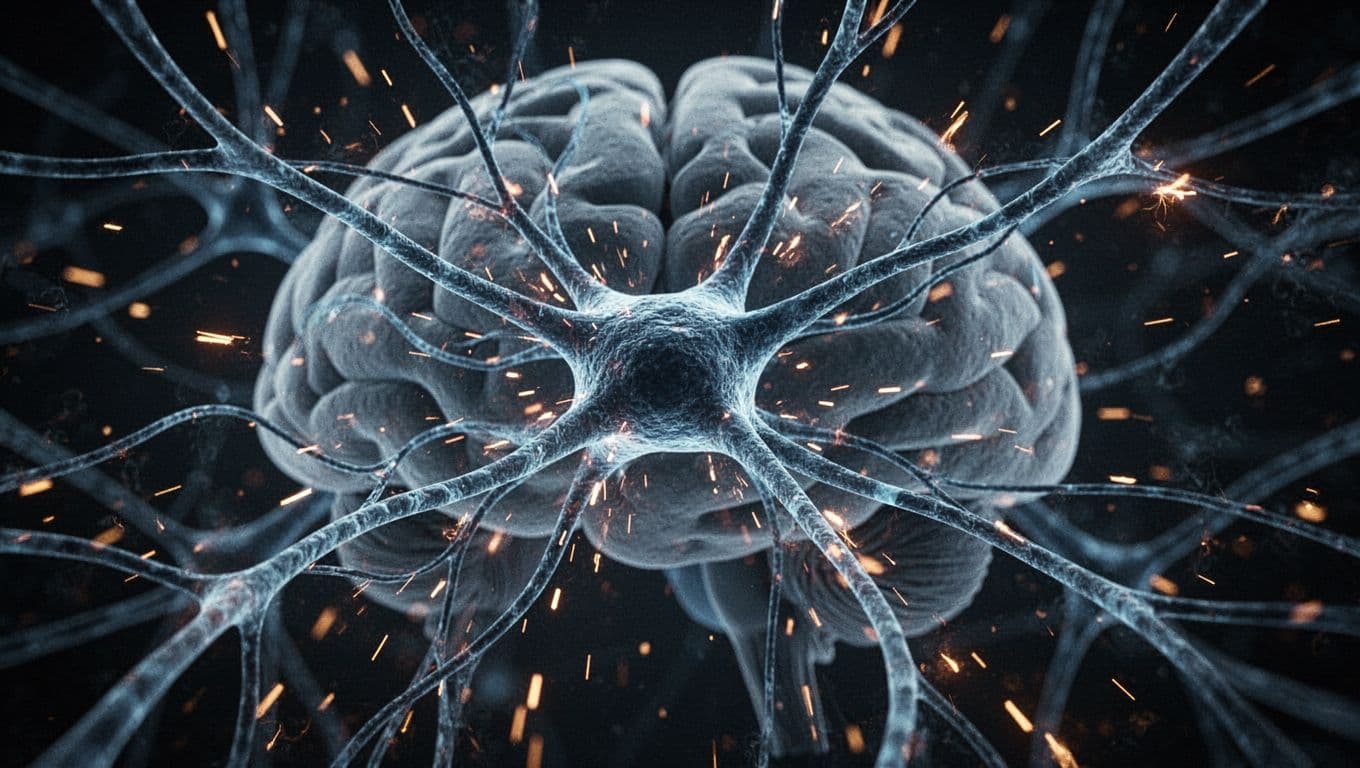
Deliberate practice drives this. Focus on weak spots with feedback, as Anders Ericsson detailed in his key paper. Novices grind thousands of hours; experts hit flow.
Younger brains adapt quicker, but adults can too with steady effort. Real-life links prevent bad habits. In short, science proves practice sculpts your brain for mastery.
Proven Strategies to Pick Up Skills Faster
Set tiny goals first. Aim for “10 clean shots” not “pro level.” Journal daily wins; it motivates.
Hands-on trumps watching. Tinker in real mess over tutorials. Blend coaches for breakdowns with raw tasks for flow. Mentors spot blinds; environments test grit.
Daily slots work best. 15 minutes beats weekends. Track via apps or notes. Because feedback loops tight, review weekly. Mix it up to avoid plateaus.
These steps, backed by brain research, cut learning time. Start small today.
Common Traps That Derail Your Skill Learning Journey
Passive reading fools most. You absorb golf tips but slice drives. Fix: practice right after.
Context ignores kill gains. Desk coding flops in crunch meetings. Adapt to pressure early.
Quick wins tempt skips. Mastery takes months; rush quits you. For reasons skills stall, see sharp lists.
No feedback blinds errors. Self-check or ask others. Spot these, pivot fast. You’ll surge ahead.
Skill acquisition empowers anyone. Follow steps: knowledge, practice, refine. Your brain adapts via neuroplasticity. Smart strategies speed it; dodge traps to stay on track.
Pick one skill now. Log your first session. Track for a week. What skill will you tackle? Share below; let’s cheer each other.
(Word count: 1487)