
You sit down to study for hours. Yet little sticks in your mind. US students now average nearly 9 hours of daily screen time, often beyond schoolwork. This constant pull fragments your focus and builds a cycle of procrastination, skimpy sleep, and burnout.
Bad habits like these trap you in slow learning. You chase quick fixes but ignore the roots. Distractions steal your attention. Procrastination breeds rushed work. Poor planning overwhelms you. Energy drainers sap your drive.
Spot these patterns now. Fix them step by step. You’ll build skills faster and make learning feel natural.
Why Constant Phone Checks and Distractions Ruin Your Focus
Phones buzz constantly. You check them without thinking. Each glance pulls you from deep work. Studies show it takes about 23 minutes to refocus after such interruptions. Your brain switches gears slowly. As a result, study sessions stretch longer with worse results.
Noisy rooms or TVs in the background add to the chaos. Multitasking feels productive. In reality, it splits your attention and cuts retention. You end up rereading the same page multiple times. Frustration builds because progress stalls.
Quick changes help. Put your phone in another room. Clear your desk. These steps create space for real focus.

The Screen Time Trap That Steals Your Attention
Adults hit 6 hours 40 minutes to 7 hours on screens each day. Students push closer to 9 hours. Apps hook you with endless scrolls and notifications. Your brain craves the dopamine hit. Therefore, deep thinking suffers.
Divided attention rushes your work. Stress rises because tasks take longer. A recent meta-analysis on screen exposure links heavy use to poorer academic performance. Teens now spend nearly a third of school days on smartphones. Frequent checks harm attention spans.
Break the cycle. Set app limits. Use focus modes during study blocks. Your mind will sharpen over time.
Everyday Distractions Turning Study Time into Wasted Hours
Email pings interrupt flow. Messy desks hide key notes. Background chatter scatters thoughts. These small hits add up. You lose hours to refocusing. Burnout follows, along with slipping grades.
A cluttered space mirrors a cluttered mind. TV murmurs seem harmless. Yet they demand subconscious processing. As a result, retention drops. Create a quiet zone instead. Earplugs or white noise work well. Keep only essentials on your desk.
Test it for one session. Notice how much more you absorb. Focus rebuilds with practice.
Procrastination Habits Keeping You Stuck in Start-Over Mode
You know the task waits. Still, you delay. This loop rushes your efforts later. Shallow understanding sets in because cramming skips depth. Poor sleep piles on from late-night pushes.
Overthinking swells small jobs into monsters. Perfect setups never arrive. You restart often, losing momentum. These patterns feed each other. Progress crawls.
Start imperfectly. Break tasks small. Action beats endless prep every time.

Putting Off Work Until the Last Minute
Deadlines loom. You scramble. Comprehension suffers under pressure. Stress hormones cloud recall. Days of delay mean nights of force-feeding facts.
Planners prevent this. Block time early each day. Start with the toughest item first. Early wins build calm. Rushing fades as habits stick.
Students who plan ahead retain more. Try it. Your output will surprise you.
Overthinking Every Step Before You Begin
Plans multiply without end. You map every detail. Action stalls in paralysis. Clarity comes from doing, not just thinking.
Pick one step. Execute it now. Feedback guides the rest. Over time, confidence grows. Procrastination loses its grip.
Holding Out for the Perfect Moment to Learn
Ideal moods or quiet never show. You wait anyway. Growth delays because days slip by.
Daily small steps create momentum. Five minutes today beats zero tomorrow. Consistency trumps conditions. Habits form around 66 days on average. Start now.
Time Management Flaws That Leave You Overwhelmed
Schedules vanish. Cram sessions rule nights. No priorities mean everything feels urgent. Motivation dips without clear wins.
Vague goals wander aimlessly. You chase busyness over results. Inefficiency reigns. Weekly plans fix this. Track personal targets. Celebrate progress.
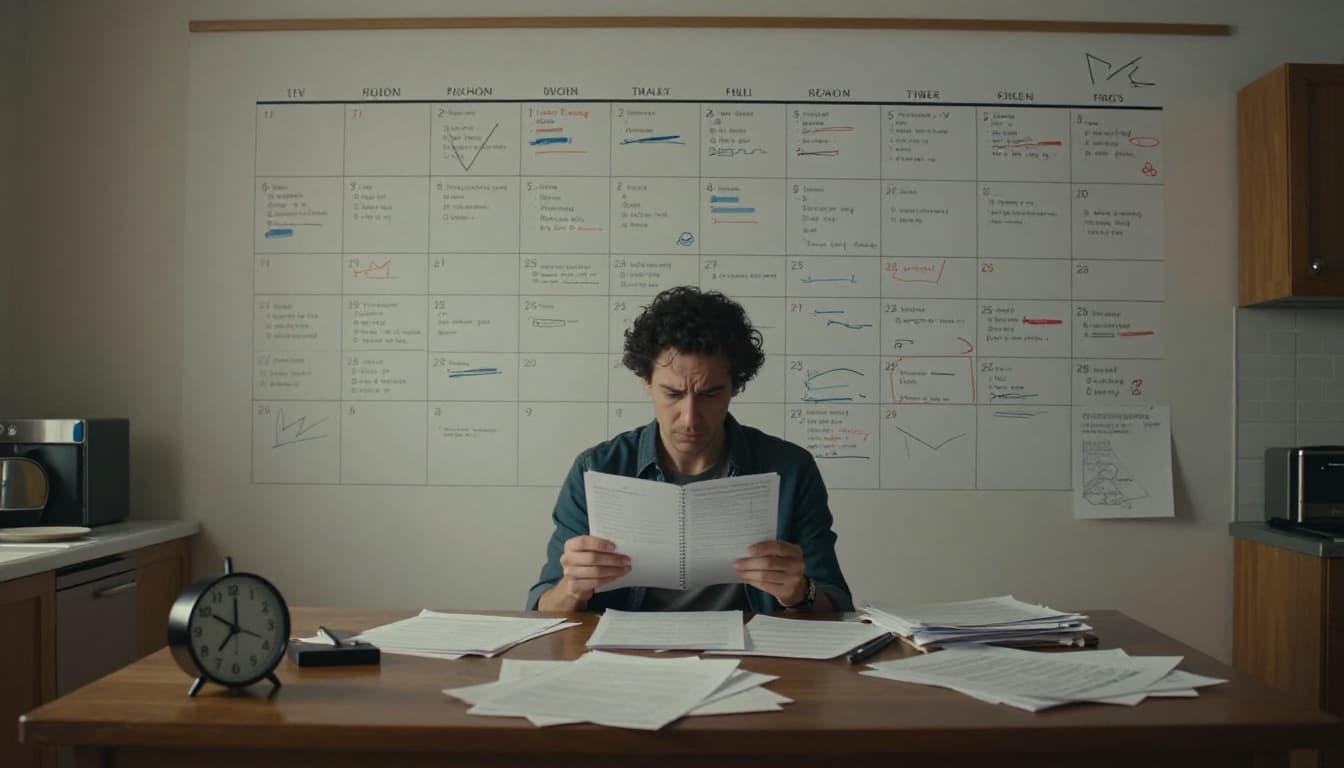
No Plan Means Wasted Days and Late Nights
Random days lead to burnout. Key tasks hide in the shuffle. Nights extend as catch-up mode hits.
Prioritize three items daily. Tackle them first. The rest flows easier. Schedules reclaim your evenings.
Skipping Goals and Watching Motivation Fade
Broad aims like “study more” fizzle fast. No why behind them kills drive.
Craft personal targets. Tie them to real reasons. Track weekly. Motivation rebounds as wins stack.
Energy-Sapping Habits Leading Straight to Burnout
Late nights cut sleep short. Memory falters because brains process lessons overnight. 80-92% of resolutions fail by February without systems.
People-pleasing steals hours. Willpower crashes eventually. Build routines instead. Use 90-minute blocks for deep work.

Skimping on Sleep to Catch Up on Studying
Short sleep impairs focus. New info won’t stick. Treat rest like meals. Aim for 7-9 hours.
Brains sort memories at night. Skimp, and learning slows. Sleep deprivation studies confirm control deficits grow. Prioritize bedtimes.
Saying Yes to Everything at Your Own Expense
Extra commitments crowd your calendar. Study time vanishes. Boundaries protect your goals.
Practice polite nos. Reclaim hours for what matters. Energy returns.
Betting on Willpower Without Real Systems
Grit alone fails often. Resolutions flop without structure. Build streaks. Pair cues with tasks.
Deep work in blocks sustains output. Systems outlast motivation dips. For more on sleep procrastination, check the Sleep Foundation’s guide.
These habits interconnect in a slowdown cycle. Break one, and others weaken. Pick your biggest issue, like phone checks. Test a fix for a week.
Small shifts speed learning. Big wins follow. Which habit holds you back? Share in the comments below.