
You practice public speaking every day in front of the mirror. Words flow perfectly. Then a real meeting hits, and your mind blanks under pressure. Sound familiar? This gap frustrates many people. You put in hours, yet skills fail when it counts.
Recent reports highlight the issue. McKinsey notes that AI changes jobs fast, so workers need adaptable skills like problem-solving and leadership. The World Economic Forum’s 2026 insights rank AI literacy, creative thinking, and emotional intelligence as top needs. Employers say 44% of core skills will shift soon. Practice alone won’t cut it. You need methods that bridge to real life.
This guide shows you how. Start with deliberate practice over mindless reps. Add simulations and projects for realism. Finish with reflection and feedback. Follow these steps, and your efforts pay off in meetings, gigs, or promotions. Ready to make practice stick?
Why Regular Practice Isn’t Enough and What Works Instead
Regular practice builds muscle memory. You repeat tasks until they feel easy. But it often stays stuck in that narrow box. Real jobs demand flexibility. Think of a coder who nails tutorials but freezes on live bugs.
Deliberate practice changes that. It targets weak spots with clear goals and quick feedback. Top athletes use it. They drill flaws three times a week and log gains. Studies back this up. Research revisiting Anders Ericsson’s work shows focused reps speed skill gains over casual ones.
Skill transfer makes practice useful across situations. McKinsey stresses four areas: digital fluency, cognitive skills, self-leadership, and interpersonal abilities. Jobs prize these because AI handles routine work.
Here’s a quick comparison:
| Aspect | Regular Practice | Deliberate Practice |
|---|---|---|
| Focus | Repetition for comfort | Specific weak areas with goals |
| Feedback | Rare or delayed | Immediate, like video review |
| Transfer to Real Life | Low; stays isolated | High; builds adaptable responses |
| Time Efficiency | Slow gains after hours | Faster; boosts results up to 146% |
Regular reps create habits. Deliberate work forges tools you carry anywhere. Spot your gaps first.
Spot Your Weak Spots with Targeted Drills
Pick one skill, say public speaking. Break it down: eye contact, pauses, volume. Time yourself on the tough part. Record it. Watch back right away.
Tennis pros do this. They hit serves 1,000 times from a machine, tweaking form each set. Sweat flies as they chase perfection.
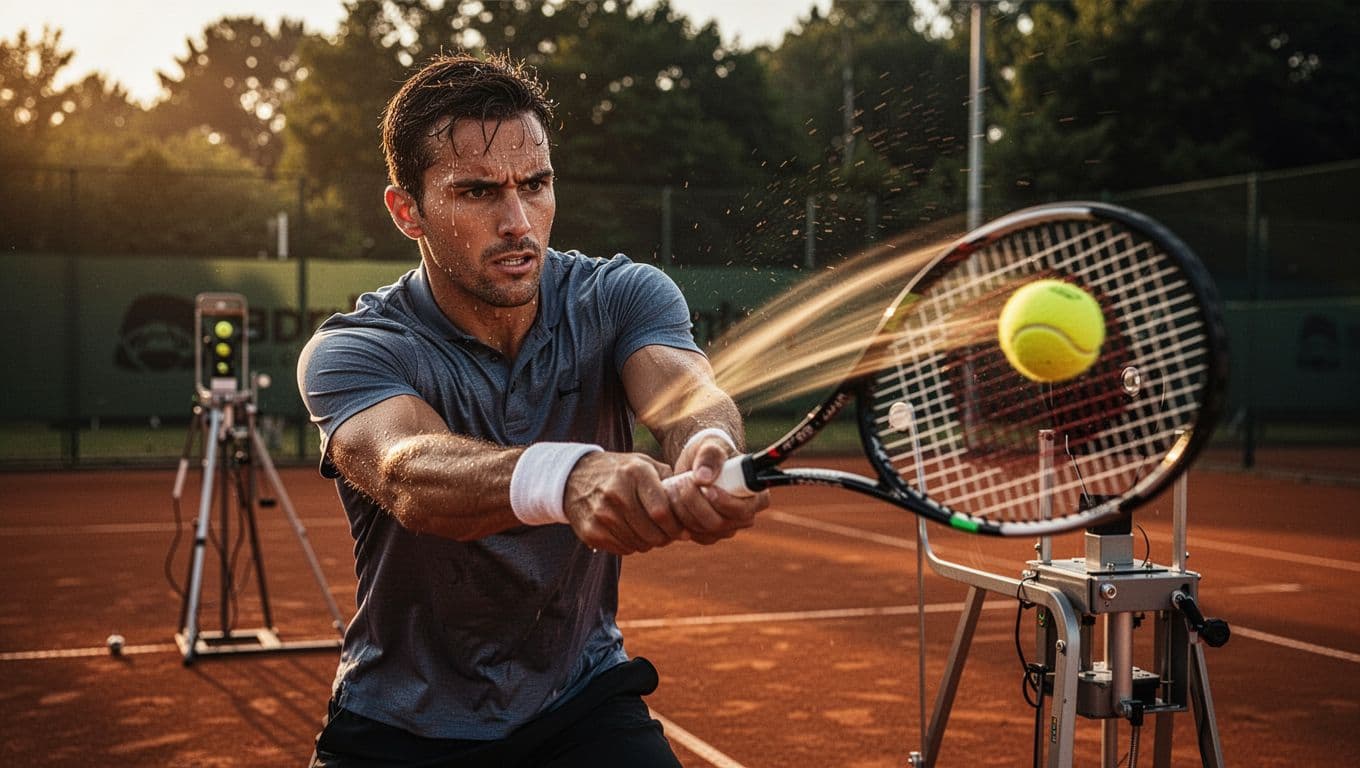
Do 20 to 30 minutes daily on one or two skills. Recent training stats show this lifts outcomes 146%. Coaches help, but apps work too. You fix flaws fast. Skills sharpen for any stage.
Build Transferable Core Skills for Any Job
Target McKinsey’s pillars. Build digital fluency by practicing AI ethics scenarios weekly. Solve puzzles daily for cognitive edge. Set self-leadership goals each Sunday.
Interpersonal skills grow through role-plays. One marketer did this. She tackled volunteer projects. Her income jumped sevenfold as offers poured in.
Don’t silo practice. A basketball player’s pressure drills aid sales calls. Cross-training builds versatile pros. Employers seek proof. WEF lists leadership and creative thinking high for 2026.
Make Practice Feel Real Using Simulations and Hands-On Projects
Simulations copy job stress without risk. VR lets surgeons cut virtually. Musicians face fake crowds via apps. You mess up safe.
Businesses love this. JLL cut task times from four hours to 15 minutes with AI sandboxes. Deutsche Telekom matched workers to on-job sims, boosting skills firm-wide.
Build a portfolio instead of notes. Code a chatbot. Lead a community event. These prove you deliver.
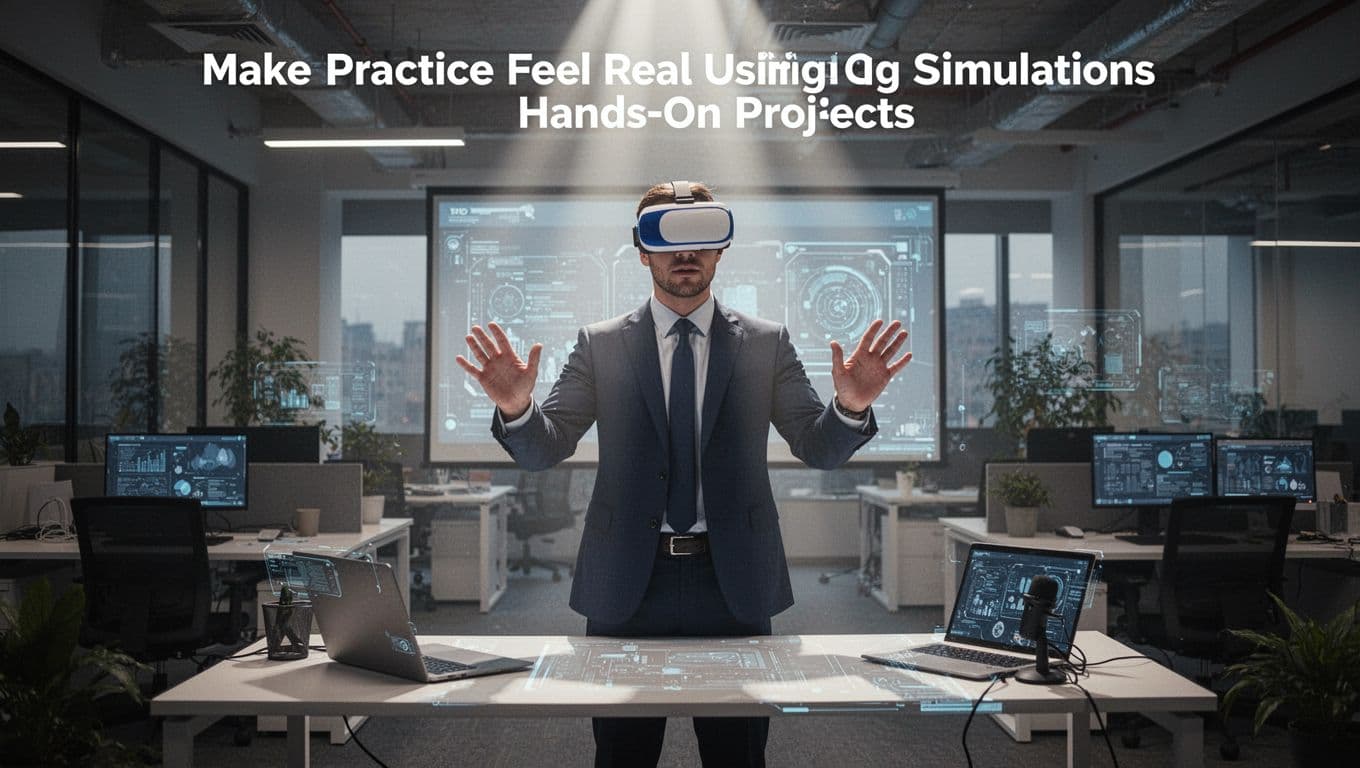
Projects beat lectures. They force decisions. Results show up in resumes.
Find Free Tools and Safe Spaces to Test Skills
Grab 2026 tools now. eLearning offers micro-courses. VR apps simulate crowds for speakers.
Tech sandboxes let you test code free. Musicians record “gigs” on phone. Businesses pitch pilots to bosses.
Steps stay simple. Match a project to your goal. Test weekly. Log outcomes. You gain proof fast. Free options abound online.
Seal the Deal with Reflection and Feedback Loops
Practice ends with review. Journal daily: what clicked, what flopped, why. Coaches use video debriefs. You spot patterns quick.
Business teams hold post-project chats. Emergenetics profiles reveal strengths. Track weekly wins. AI teams saw 146% tool gains this way.
Make it routine. Spend 10 minutes after each session. Habits form. Skills lock in.

Feedback closes the loop. You improve steadily.
Daily Journal Prompts That Unlock Insights
Use these five prompts each day:
What went well today? Note small wins to build momentum.
What bombed, and why? Pinpoint the cause without blame.
What tweak comes next? Plan one fix for tomorrow.
How does this fit my job? Link practice to real tasks.
What’s proof of progress? Track metrics like faster solves.
Swimmers log stroke counts. Musicians jot crowd vibes. You see growth clear.
See It in Action: Stories from Sports, Business, Music, and More
Athletes drill deliberate reps, then VR transfers poise to boardrooms.
In business, JLL’s AI pilots sped workflows. Deutsche Telekom’s sims upskilled thousands in safe spaces.
Musicians sim gigs, sparking creative marketing ideas. Coders build agile portfolios via experiments.
WEF 2026 skills like leadership shine in stretch projects. One marketer’s projects multiplied her pay seven times.

Real stories prove it works across fields.
Deliberate practice, simulations, projects, and reflection turn reps into results. Start small today. Pick one skill. Commit 20 minutes daily. Build that portfolio.
Picture nailing the big pitch or landing the role. Jobs value proof over degrees. Stats show 85% of firms upskill staff now.
Share your first step in the comments. Subscribe for more tips. Your real-world edge starts here.