
You grab your guitar for the first time in months. Your fingers fumble over basic chords. Nothing sounds right. That familiar wave of frustration hits hard, and you want to quit. Or maybe it’s a language app on your phone. Words slip away after one lesson. You’ve been here before.
Frustration strikes everyone when they tackle something new. Your brain works overtime to build fresh pathways. This process feels messy because it demands change. Yet it leads to real growth. Adults face extra hurdles in 2026 studies show. Shorter focus spans and busy lives slow progress. But small steps build tolerance over time.
You can overcome frustration when learning something new. Simple strategies from psychology help. They speed up skill gains and add joy back into the process. Reframe your struggles first. Then practice smarter. Shift your mindset with support. These steps turn roadblocks into wins. Let’s break it down.
Why Frustration Feels So Intense When You Start Learning New Skills
Frustration signals your brain at work. It grows new myelinated pathways. These make skills automatic over time. Early on, everything feels clunky. That’s normal, not a flaw.
High expectations amp it up. You might expect quick mastery. Pride gets bruised when you stumble. Think of a toddler learning to walk. They fall often. No one calls it failure. They keep going because struggle means progress.
View it this way, and intensity drops. Recent research backs this. National Geographic explores frustration’s upsides. It engages threat and reward systems. This helps you adapt.

Your Brain’s Rewiring Process Makes Struggle Temporary
Mistakes strengthen connections. Scientists experiment and fail before breakthroughs. Praise your effort, not talent. This builds a growth mindset.
Slow down. Pick one small part. Focus there. Carol Dweck’s research shows it boosts performance. For example, in sports, drill basics repeatedly. Hobbies work the same.
Adults learn slower than kids sometimes. March 2026 studies note quicker forgetting. Yet persistence pays off. Tiny challenges rewire your brain. Variety in skills helps too. Try puzzles one day, drawing the next. Working memory improves fast.
Frustration in learning new skills fades. It lasts weeks, not forever. Track small wins. Your brain adapts. Progress sneaks up.
Drop Unrealistic Expectations to Keep Your Motivation High
Big goals crush beginners. Ditch the pride that says you must master it now. Accept early sucks. It’s part of the path.
Set tiny steps instead. Hit one chord clean today. That’s enough. Experts say this slashes frustration quick. Motivation stays high because wins stack up.
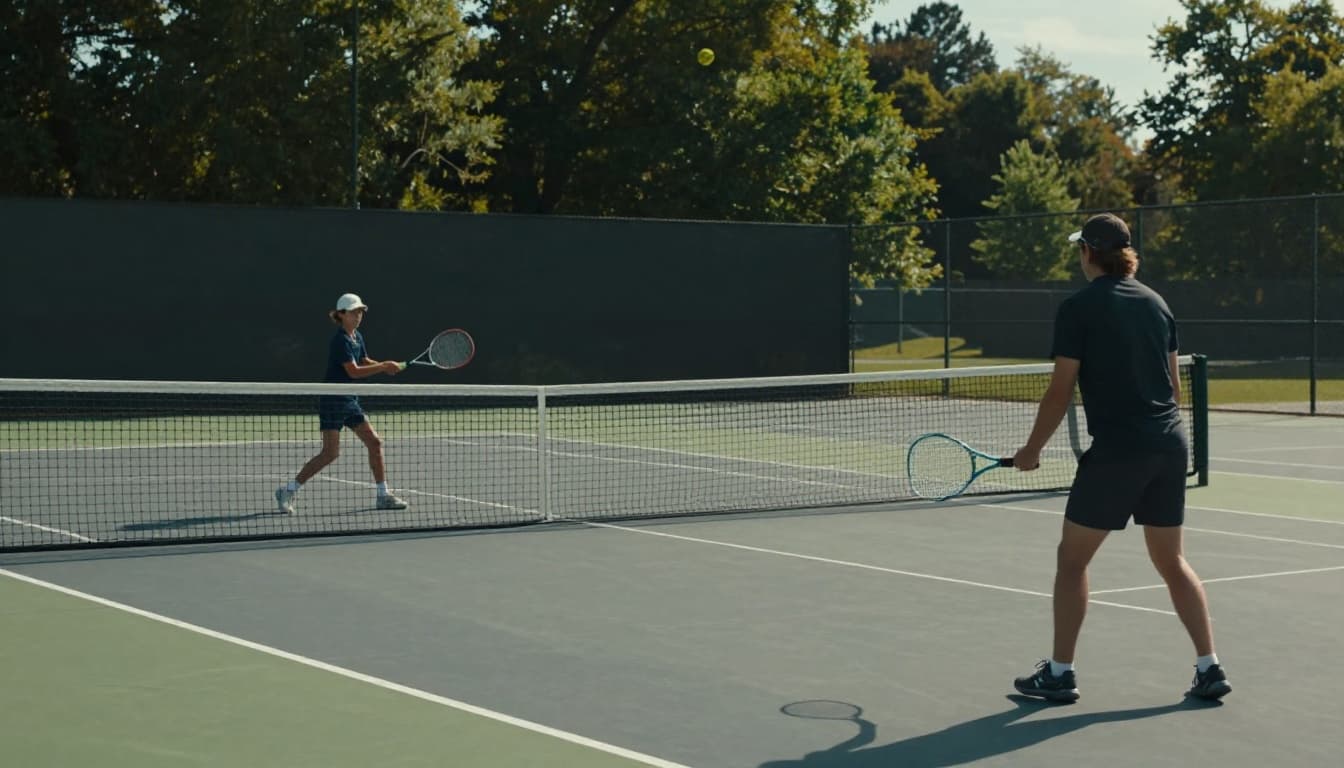
Take pickleball newbies. They swing wild at first. Focus on grip alone. Games improve soon after. Smoother sailing follows.
Embrace Your Inner Beginner Without Shame
Kids learn basics without judgment. Copy that. Focus on process over wins.
Set daily goals like five minutes of form. Avoid burnout. Start smaller than you think. Pride fades. Joy returns.
Practice in Smart Ways That Build Skills Without Endless Struggle
Deliberate practice beats mindless reps. Pick one move. Slow it way down. Focus hard for short bursts.
Build endurance with 15 to 30 minute sessions. Choose quiet spots. No distractions. Commit daily through discipline. Mood doesn’t rule.
Even pros cap at four or five hours. De-automatize old habits. Break them apart. This speeds mastery. Less grind, more gain.
Examples fit hobbies or work. Code a simple snippet. Swing a golf club slow. Brain paths strengthen.

Master Deliberate Practice for Quick Improvements
Choose basics first. Slow motion reveals flaws. Intense focus fixes them.
In golf, loop the swing half speed. Coding? Trace one line step by step. Anders Ericsson’s work highlights this. Farnam Street details deliberate practice. Frustration plays a vital role.
Build Steady Habits That Fit Your Life
Short sessions three days a week. Add time later. Calendar it like a meeting.
Quiet space matters. Silence phones. Steady beats intense bursts.
Shift Your Mindset and Get Backup to Power Through Tough Spots
Positive self-talk flips the script. Swap “I can’t” for “Do your best. That’s enough.” It fuels you.
Mindfulness helps. Watch thoughts pass without judgment. Stay present.
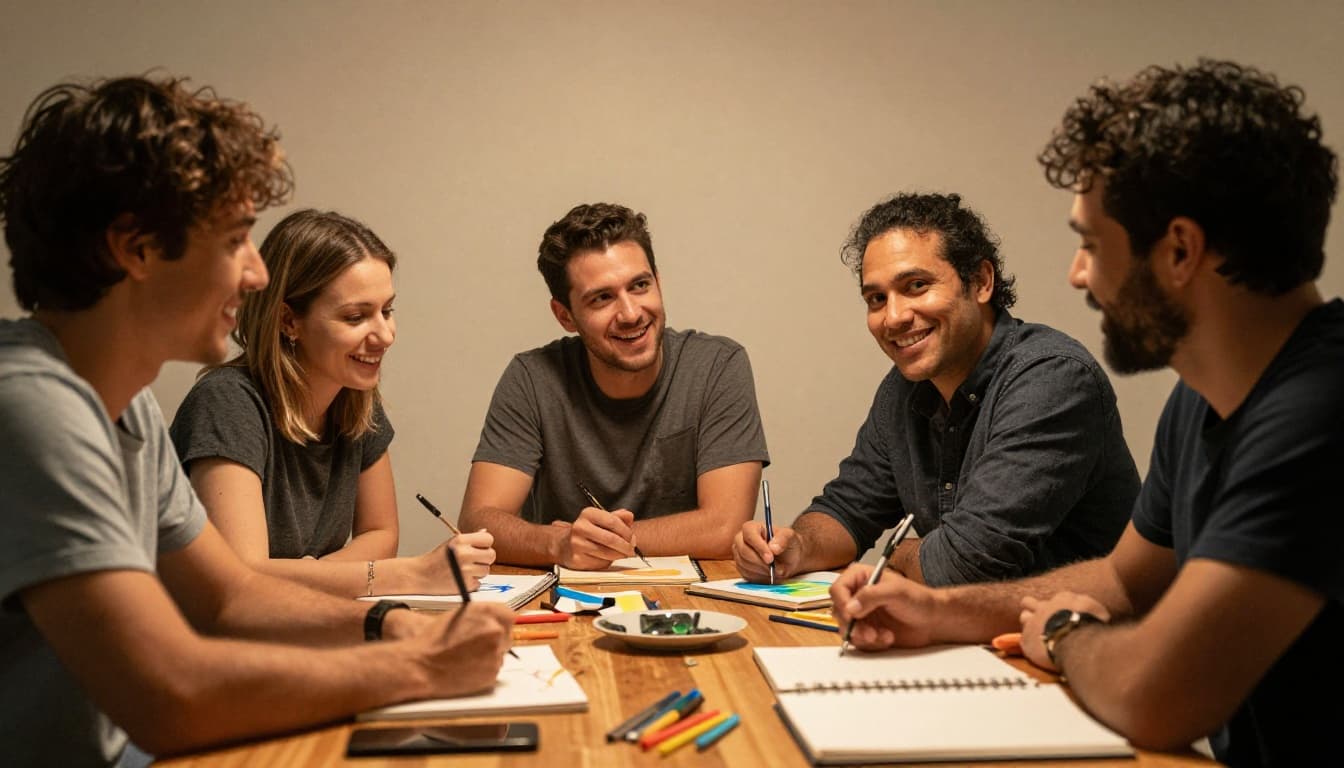
Seek coaches or groups. Watch experts learn. Masters break skills down too.
Take breaks when stuck. Notebook logs wins. Research shows tracking reframes frustration as growth. Support doubles results.
2026 tips stress variety and small hobbies. Fun over pressure. Groups cut isolation.
Swap Negative Thoughts for Ones That Fuel Progress
Try “Not yet” like Dweck suggests. Top learners repeat it. Parenting Science reviews growth mindset.
Mindfulness basics: Breathe. Notice the block. Move on.
Surround Yourself with Support and Track Every Win
Join online communities. Ask experts simple questions.
Notebook every small victory. Rest when overwhelmed. Progress builds.
You hold the tools to overcome frustration when learning something new. Reframe struggles as brain growth. Drop big expectations. Practice deliberately in short bursts. Shift mindset with self-talk and support.
Stick it out. Skills turn easy. Enjoy the ride more. Pick one tip today. Try it on your next hobby or task. Share your win in the comments. What new skill calls you? Anyone can push past this. Persistence wins every time. Studies prove adults gain big from steady effort. Your turn starts now.