
You cram all night for that big test. Your brain feels full. But by morning, half the info vanishes.
Spaced repetition fixes this. It reviews material at smart intervals. These gaps grow as you remember better. So you fight forgetting and cut study time.
This post covers the basics. You’ll see how it works step by step. Plus the brain science, real benefits, top apps for 2026, and tips to get started right.
Spaced Repetition Explained: What It Is and Why It Beats Cramming
Spaced repetition schedules reviews at increasing gaps. You base gaps on how well you recall the info. Get it right? Wait longer next time. Miss it? Review sooner.
Cramming packs everything in one go. It feels productive. Yet retention drops fast. Studies show you forget most within a day.
Hermann Ebbinghaus spotted this in the 1880s. He tested his own memory with nonsense syllables. Results? Info fades quick without smart repeats.
Think flashcards for Spanish words. Or history dates. You review “hola” today. Then tomorrow. Then in three days if you nail it.
Anyone can use this. Students ace exams. Pros keep skills sharp. No more endless hours. Just efficient reviews that stick.
In short, spaced repetition builds lasting knowledge. It beats cramming every time.
Step by Step: How Spaced Repetition Works in Real Life
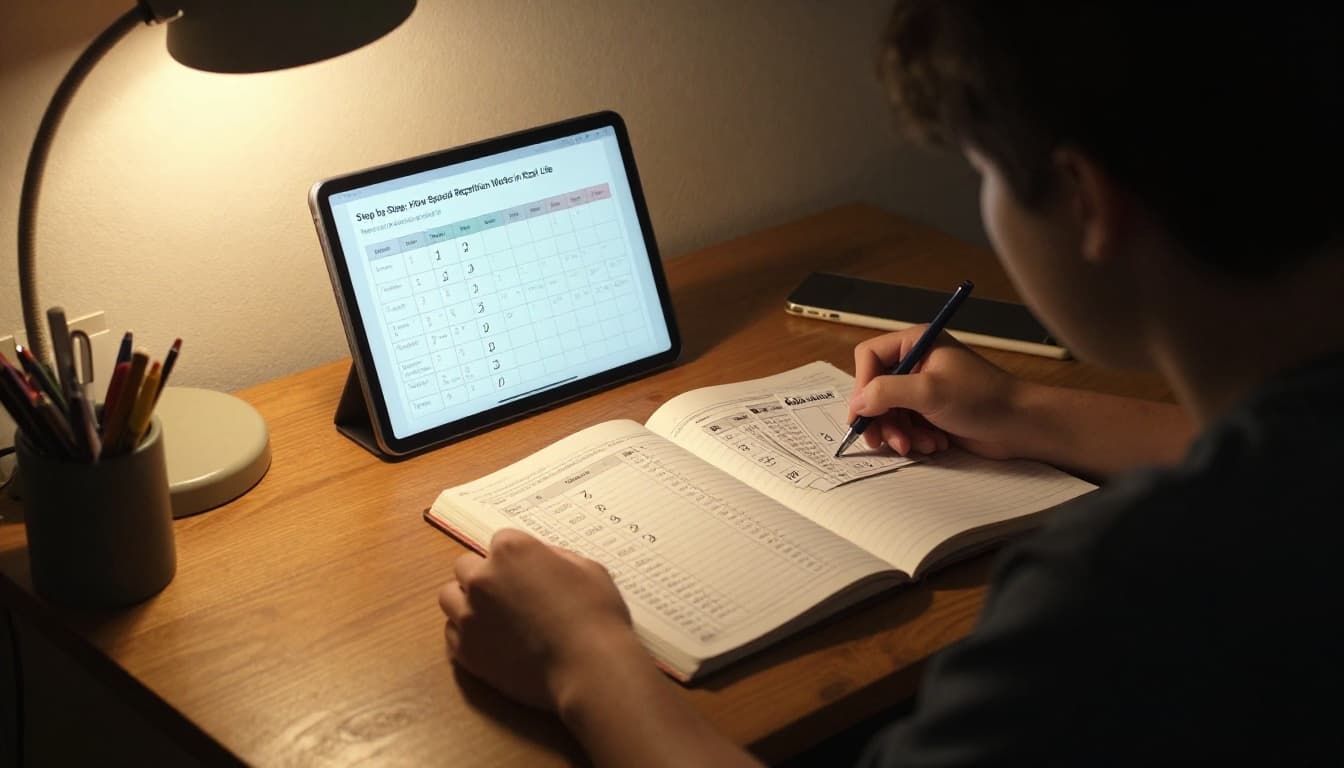
You start by learning new info. Review it soon after. Say in one hour. Then stretch to four hours. Next a full day.
Recall it right? The app or schedule lengthens the gap. Struggle? Shorten it for more practice.
Active recall powers this. Test yourself first. Check the answer after. No peeking.
Here’s a daily vocab routine. Day one: Learn 20 words. Review in 10 minutes. Hit 80% right? Next review tomorrow.
Apps handle the math. They predict your next review. You just show up.
Building Reviews from Short Bursts to Longer Gaps
New info needs tight reviews at first. It’s fresh and shaky. So you hit it daily.
As it sticks, gaps widen. The 2357 method works great. Review on day two. Then three. Next five. Finally seven.
This times reviews just before forgetting. Your brain strengthens the link each time.
Gaps keep expanding. Weeks turn to months. Info lodges deep.
Active Recall: Test Yourself to Make It Stick
Don’t read answers. Recall them cold. Say the definition out loud.
This plus spacing doubles power. Passive reading fades fast. Testing cements it.
Next card, same drill. Your brain wires tighter links.
How It Adapts to Your Unique Memory
Rate ease after each review. “Hard” means review tomorrow. “Easy” pushes to a week.
Apps track your history. Success rate matters. Time since last review counts too.
It predicts your needs. No guesswork. Just perfect timing.
The Solid Science Behind Spaced Repetition’s Success
Ebbinghaus drew the forgetting curve first. Without reviews, you lose 70% in a day.
Spacing changes that. Gaps between repeats build stronger paths. Massed practice can’t match.
Researchers refined this in the 1930s. They tested expanding intervals.
A 2026 meta-analysis of medical learners shows big gains. Scores jumped with spaced repetition. Effect size hit 0.78.
It cuts study time. Boosts retention for facts or skills.
Ebbinghaus Forgetting Curve: Why We Lose Info Fast
Picture a graph. Retention starts at 100%. Drops steep to 20% in a day. Then slows.
No reviews? It keeps falling.
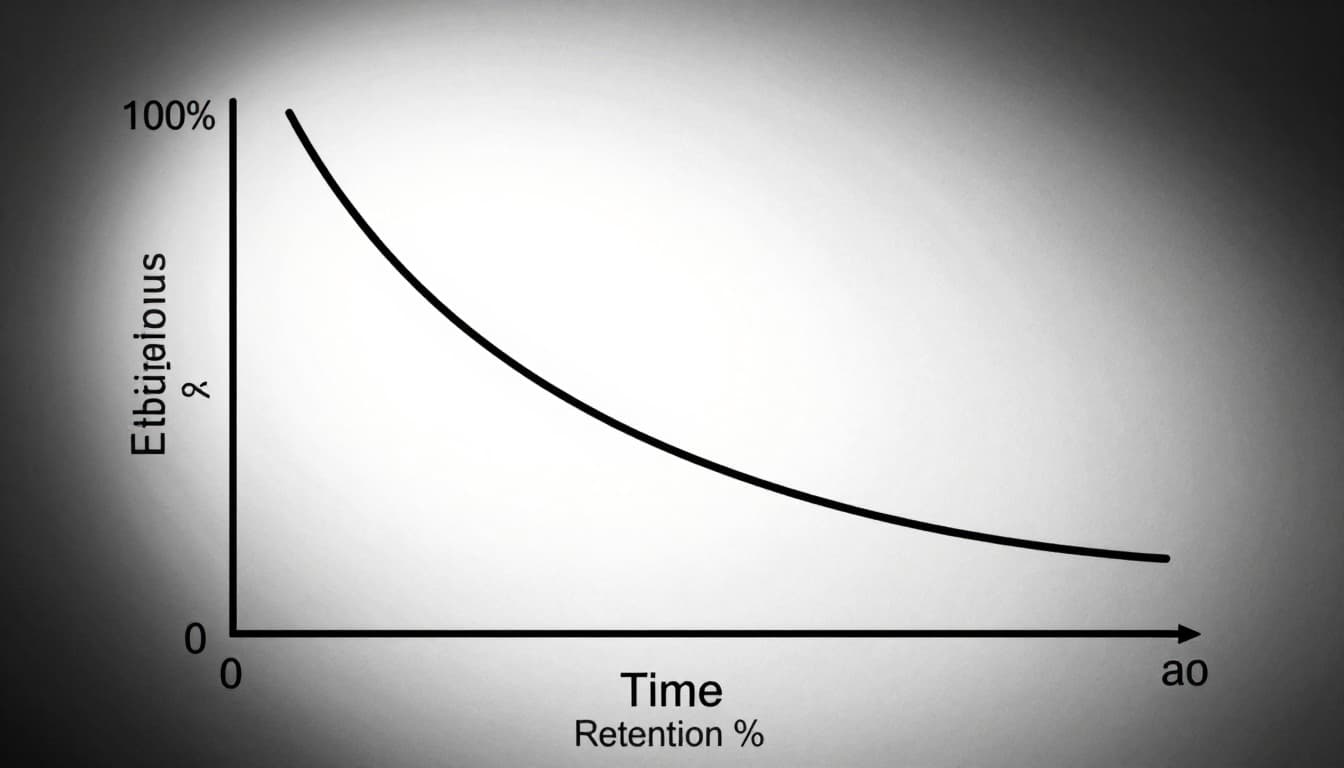
Spaced reviews flatten the curve. Memory holds steady.
For details on hacking this curve, check solid guides.
Spacing Effect: Gaps That Strengthen Brain Connections
Back-to-back repeats weaken storage. Space them out. Connections deepen.
Add active recall feedback. Results soar even more.
Neural paths grow robust. Info resists time.
2026 Research Updates Confirming Top Results
New studies back it. Family docs learned 58% better with spacing. Double reviews hit 62%.
Undergrads scored 16 versus 11.9 without it. P less than 0.0001.
Personalized timing shines. Great for med facts or languages.
Real Benefits: Save Time and Remember More Forever
Spaced repetition delivers clear wins. Here’s why it pays off:
- Less total study time. Short sessions add up less than cramming marathons.
- Long-term memory lasts. Recall facts months later with ease.
- Cuts burnout. Daily 15 minutes beats all-nighters.
- Pairs with active recall. Testing boosts power further.
- Flattens forgetting curve. Reviews hit at peak need.
- Works for any skill. Languages, math, history. All improve.
Imagine half the effort for top scores. Science nods yes.
Top Spaced Repetition Apps in 2026 and Pro Tips to Win
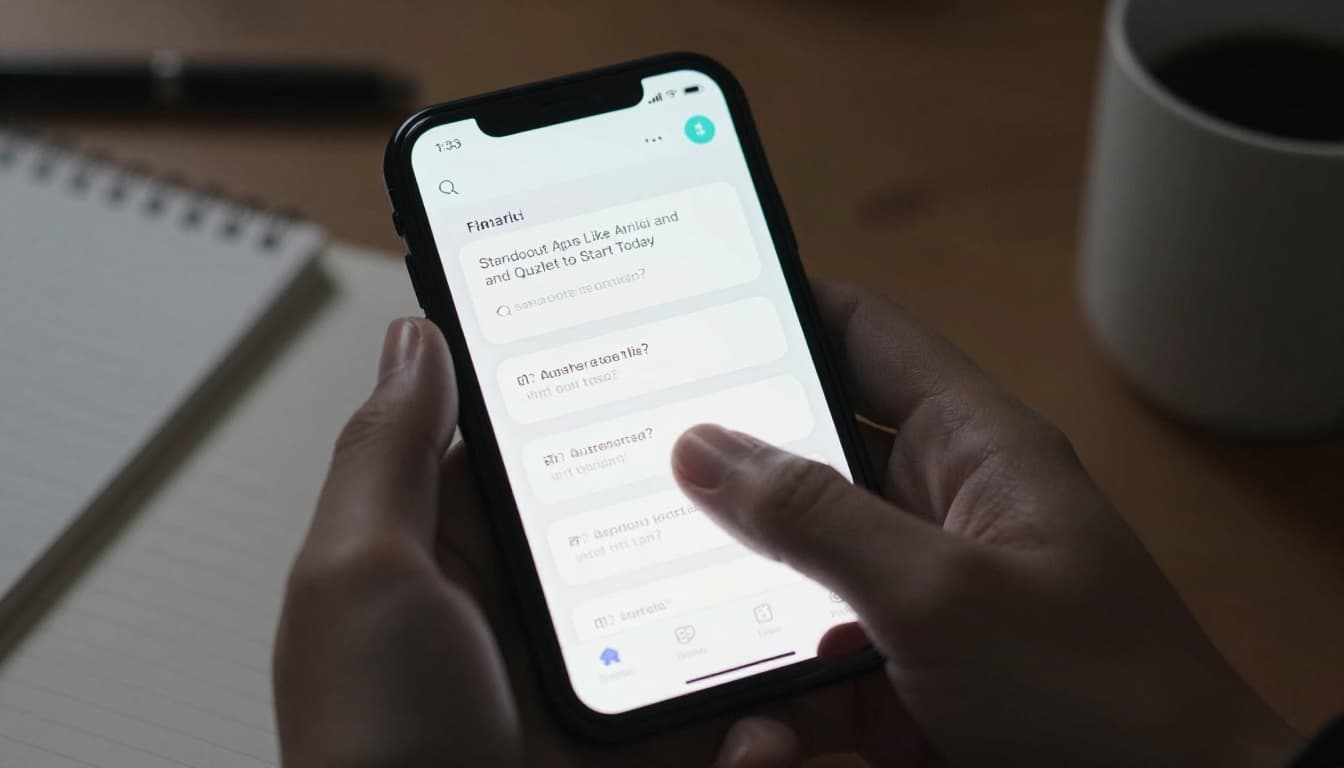
Anki leads for power users. Free with smart SM-2 algorithm. Med students swear by it.
Quizlet suits beginners. Fun modes and games. Easy share sets.
Others shine too. Osmosis for med topics. Khan Academy integrates spacing.
AI upgrades predict forgetting spot-on. Check 2026 app rankings for tests.
Standout Apps Like Anki and Quizlet to Start Today
Anki offers custom decks. Handles tough schedules.
Quizlet keeps it light. Great for groups.
Pick one. Download now.
Pitfalls That Trip Up Beginners and How to Skip Them
Common slips hurt results:
- Passive reading cards. Fix: Recall first.
- Skip hard ones. Fix: Rate honest.
- Start with big gaps. Fix: Begin small.
- Miss daily reviews. Fix: Set alarms.
Dodge these. Wins follow.
Daily Habits and Tricks for Best Results
Do 10-20 minutes daily. Consistency rules.
Mix topics. Interleave boosts transfer.
Trust the schedule. Rate ease true.
Aim 80-90% recall. Track progress.
Small effort. Huge memory gains.
Spaced repetition turns fleeting facts into forever knowledge. Smart timing and recall make it happen.
Grab Anki or Quizlet today. Make 10 flashcards. Commit 10 minutes daily.
Smarter studying unlocks school wins, career edges, hobby mastery. What’s your first deck? Share below. Or try the 2357 method this week.